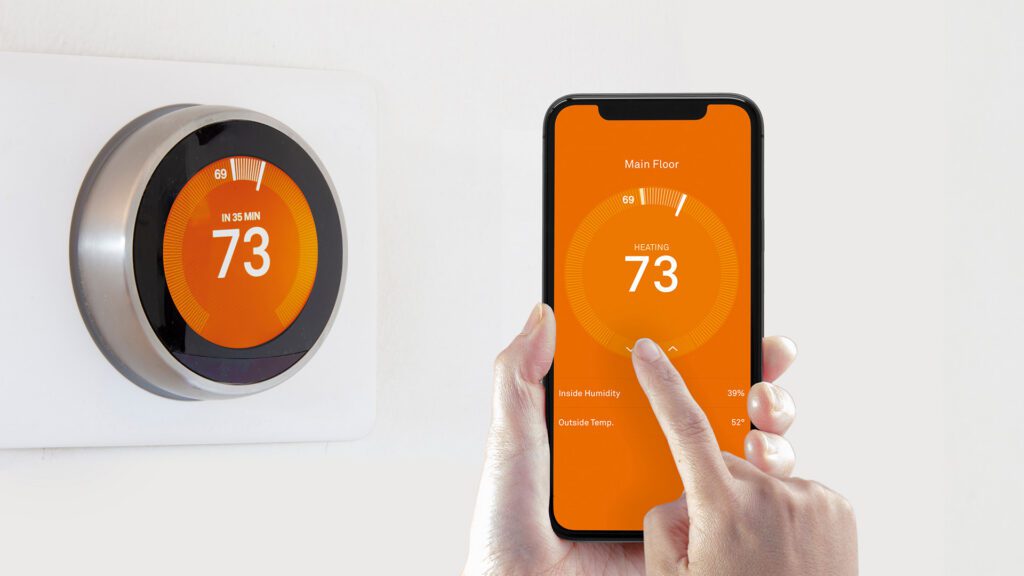
Most of us don’t give the thermostat much thought until the house feels too hot or too cold. We walk over, adjust it a few degrees and move on. A smart thermostat does essentially the same job, but gives homeowners considerably more control over when and how their heating and cooling system runs.
That can be especially useful in a climate that asks a lot of an HVAC system. In Mississippi, air conditioning can work overtime during long, humid summers, while winter still brings nights cold enough to keep the heat running. A smart thermostat can help manage those demands without requiring someone to constantly adjust the temperature.
Comfort From Anywhere
One of the biggest advantages of a smart thermostat is the ability to control it remotely. Most models connect to an app, allowing homeowners to check or change the temperature from another room, the office or hundreds of miles away.
That convenience can also make temperature control easier for older adults and people with limited mobility. Many systems integrate with voice assistants, providing another way to make adjustments without having to reach a thermostat mounted on the wall.
When Nobody’s Home
Smart thermostats become particularly useful when the house is empty. Workdays, school schedules, weekends away and vacations can leave an HVAC system heating or cooling an empty home for hours at a time.
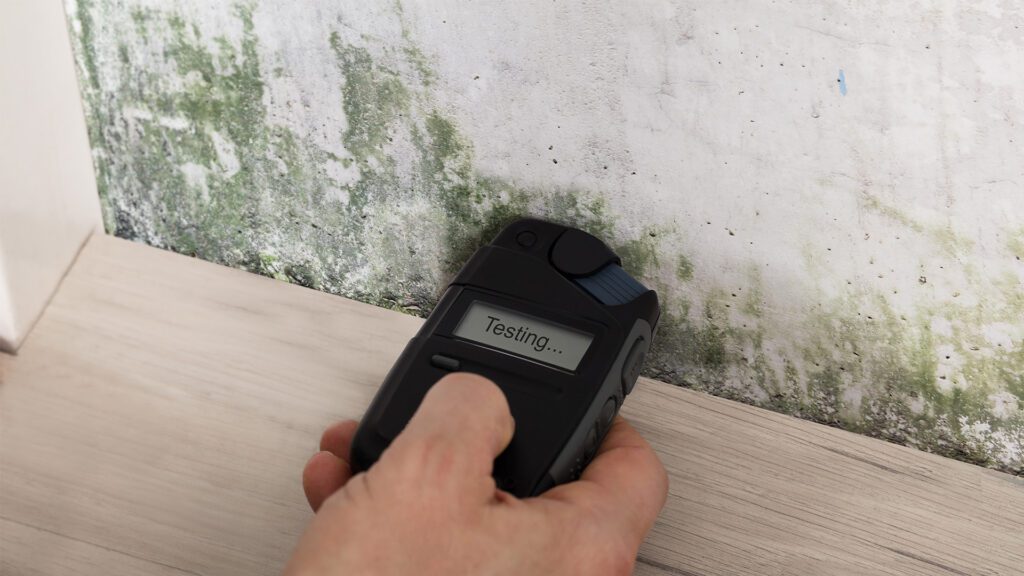
Turning the system off completely isn’t always a good alternative, particularly during our humid summers. An excessively warm house can become uncomfortable quickly, and allowing indoor humidity to climb can contribute to moisture problems.
Programmable schedules and away settings offer a middle ground. Homeowners can reduce heating or cooling while the house is empty and have the temperature return to a comfortable level before everyone gets home. Some thermostats can also make adjustments based on household patterns or whether anyone is home.
Remote access provides another advantage during vacations. Compatible systems can send notifications when temperatures move outside a selected range or when certain HVAC problems are detected. Instead of discovering an issue when you return home, you may have an opportunity to address it sooner.
Getting More From Your HVAC System
A smart thermostat won’t make an inefficient HVAC system efficient by itself, but used properly, it can help homeowners manage energy use more effectively. Scheduling, temperature adjustments and information about heating and cooling patterns can provide a clearer picture of when the system is working hardest and where changes might make sense.
The right thermostat depends on the HVAC equipment already in the home. Not every model is compatible with every system, and some of the more advanced features require specific wiring or equipment.
Before buying one based on the box or an online review, it can be worth asking an HVAC professional which features will actually work with your system. After all, the smartest thermostat is the one that works well with the equipment you already have.
For questions about smart thermostats, compatibility or installation, contact Rhudy’s Heating and Air Conditioning at 662-869-1524 or visit rhudysheatandair.com.
Any content, resident submissions, guest columns, advertisements, and advertorials are not necessarily endorsed by or represent the views of Best Version Media LLC (BVM) or any municipality, homeowners associations, businesses, or organizations that this publication serves. BVM is not responsible for the reliability, suitability, or timeliness of any content submitted, inclusive of materials generated or composed through artificial intelligence (AI). All content submitted is done so at the sole discretion of the submitting party.