After months of heat and humidity, cooler fall weather is usually a welcome change. But summer moisture does not necessarily disappear when the temperature drops. Water from condensation, leaks, or persistent humidity can remain in crawl spaces, attics, basements, ductwork, and other areas where homeowners rarely look.
Those damp, poorly ventilated spaces can provide favorable conditions for mold growth. A musty smell or an unexplained stain may be the first noticeable sign, but the source of the moisture can be hidden behind walls, beneath flooring, or in other areas that are difficult to inspect.
Why Mold Deserves Attention
Mold is more than an appearance issue. It can grow on many materials commonly found in homes, including wood, drywall, insulation, and carpet. Addressing visible mold without correcting the moisture problem that allowed it to develop can leave homeowners dealing with the same problem again.
Indoor mold can also affect air quality. For some people, exposure may cause allergy-like symptoms or irritation of the eyes, skin, nose, throat, or lungs. People with asthma, mold allergies, or certain underlying health conditions may be particularly sensitive.
Signs Worth Investigating
Because mold frequently develops in areas that are out of sight, homeowners should pay attention to changes around the house that could indicate excess moisture or possible growth:
- Persistent musty odors: An earthy or musty smell that remains after normal cleaning may indicate moisture or mold in an area that is not readily visible.
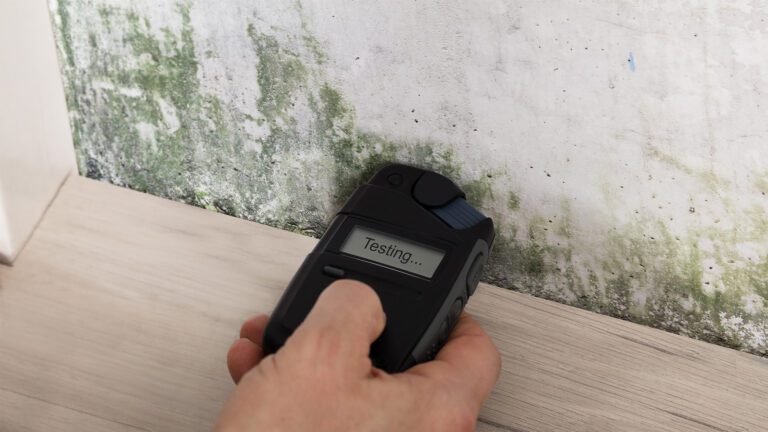
- Visible discoloration: Unusual spots, patches, or staining on walls, ceilings, flooring, or around vents should be investigated, particularly if the area has been exposed to moisture.
- Recurring irritation: If members of the household experience symptoms such as sneezing, coughing, or eye irritation that seem to occur primarily at home, indoor air quality may be worth evaluating.
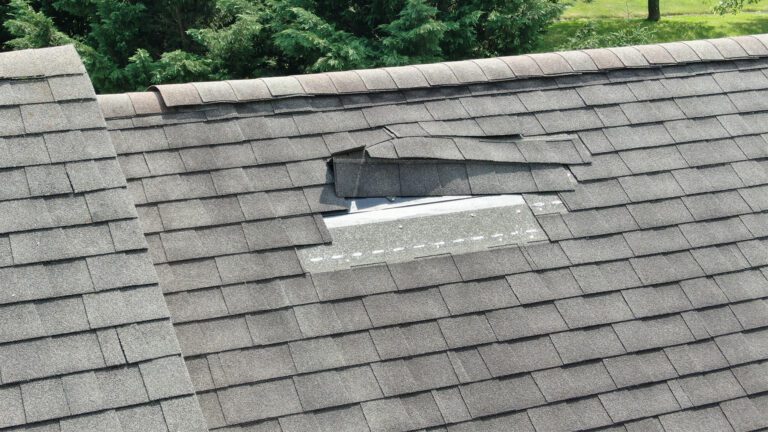
- Previous water problems: Plumbing leaks, roof leaks, flooding, overflowing appliances, and periods of excessive indoor humidity can leave moisture behind long after the visible water is gone.
Look Beyond the Surface
Cleaning a visible patch of mold may improve its appearance, but that does not necessarily address the source of the problem. Mold growing on or inside porous materials can be difficult to remove, particularly when moisture has reached drywall, insulation, wood, or flooring.
The first step is identifying and correcting the source of the moisture. Depending on the extent and location of the growth, professional remediation may also involve containment, air filtration, removal of affected materials, and appropriate cleaning methods to reduce the spread of mold spores into other areas of the home.
October is a good time to check areas that may have collected moisture during a humid summer. If you notice persistent odors, unexplained staining, or signs of previous water intrusion, Mississippi Environmental can evaluate the property and help determine what needs attention.
To schedule an assessment, call 662-871-4944.
Any content, resident submissions, guest columns, advertisements, and advertorials are not necessarily endorsed by or represent the views of Best Version Media LLC (BVM) or any municipality, homeowners associations, businesses, or organizations that this publication serves. BVM is not responsible for the reliability, suitability, or timeliness of any content submitted, inclusive of materials generated or composed through artificial intelligence (AI). All content submitted is done so at the sole discretion of the submitting party.