As the autumn leaves begin to settle across Tupelo, many home and property owners assume their outdoor maintenance to-do list is winding down for the year. November, however, is actually one of the most critical windows for proactive tree care. The visual beauty of fall often masks subtle structural weaknesses, disease, or stress that can turn into costly hazards once winter weather arrives. Taking a few deliberate steps this month will help keep your canopy healthy, safe, and vibrant heading into the new year.
Inspecting for Hidden Hazards
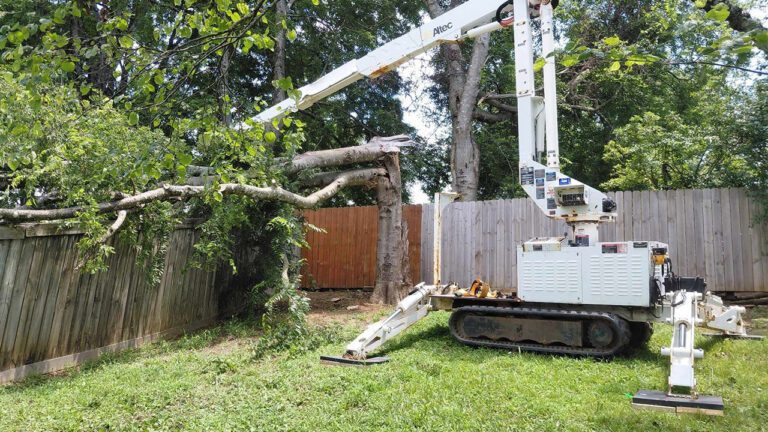
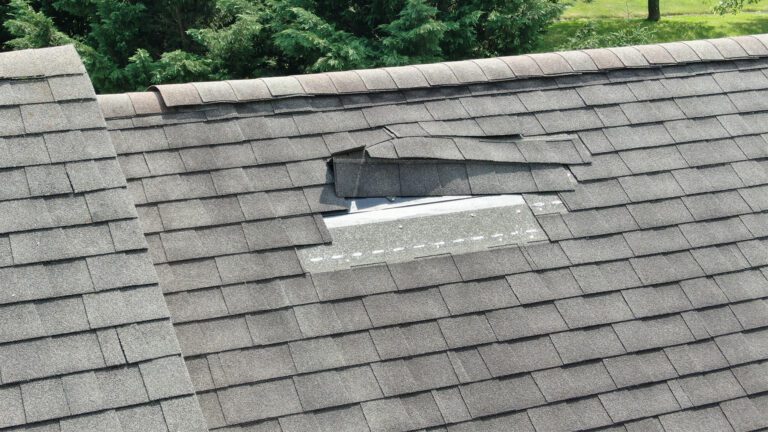
Before severe winter weather brings ice, heavy rains, or high winds to town, a thorough visual assessment of your mature trees is essential. Look for key red flags, including dead or brittle branches, co-dominant stems (where two main trunks compete), or fungal growth near the base of the tree. Large dead limbs—often referred to as “widowmakers”—pose an immediate risk to roofs, vehicles, power lines, and family members. Identifying and removing these compromised branches now eliminates the danger before winter storms put them under stress.
Why Late Fall Is the Ideal Time to Prune
While light maintenance can happen year-round, late fall and dormant winter months offer the single best timeframe for structural pruning. Once trees drop their leaves, arborists gain a clear, unobstructed view of the branch framework, making it much easier to detect cracks, decay, and crossing branches. Furthermore, pruning during dormant periods minimizes tree stress, reduces sap loss, and prevents the spread of common pests and pathogens that are active during warmer months. Corrective cuts made in November allow the tree to focus its energy on wound healing as soon as growth resumes in early spring.
Root Health and Winter Soil Care
A tree’s canopy gets all the attention, but its roots do the heavy lifting. North Mississippi soil can compact easily, suffocating roots and impeding water absorption. Late fall is an excellent time for deep-root fertilizing or root-zone aeration. Applying a fresh 2- to 4-inch layer of organic mulch around the drip line (keeping it a few inches away from the trunk itself) acts as a protective thermal blanket. This simple step stabilizes soil temperatures, conserves moisture during dry snaps, and insulates vulnerable feeder roots from freeze-thaw cycles.
Partnering With Local Tree Professionals
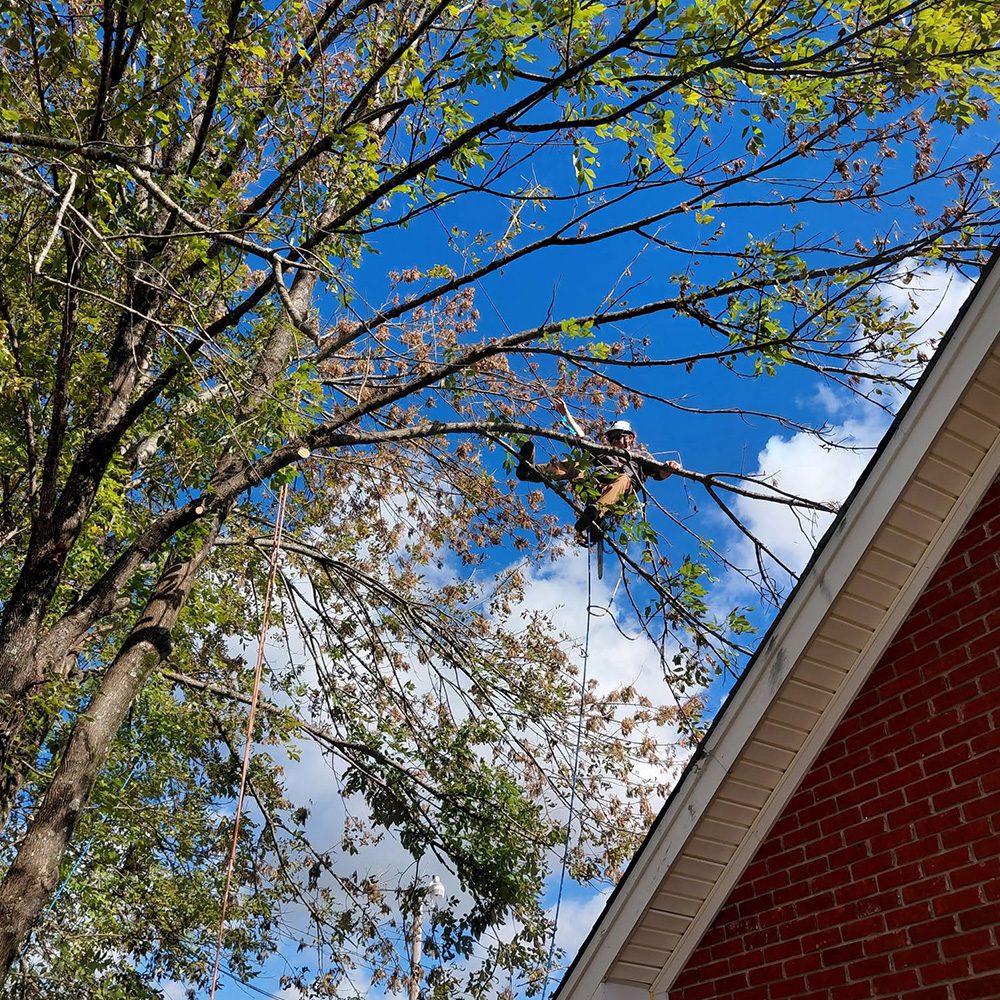
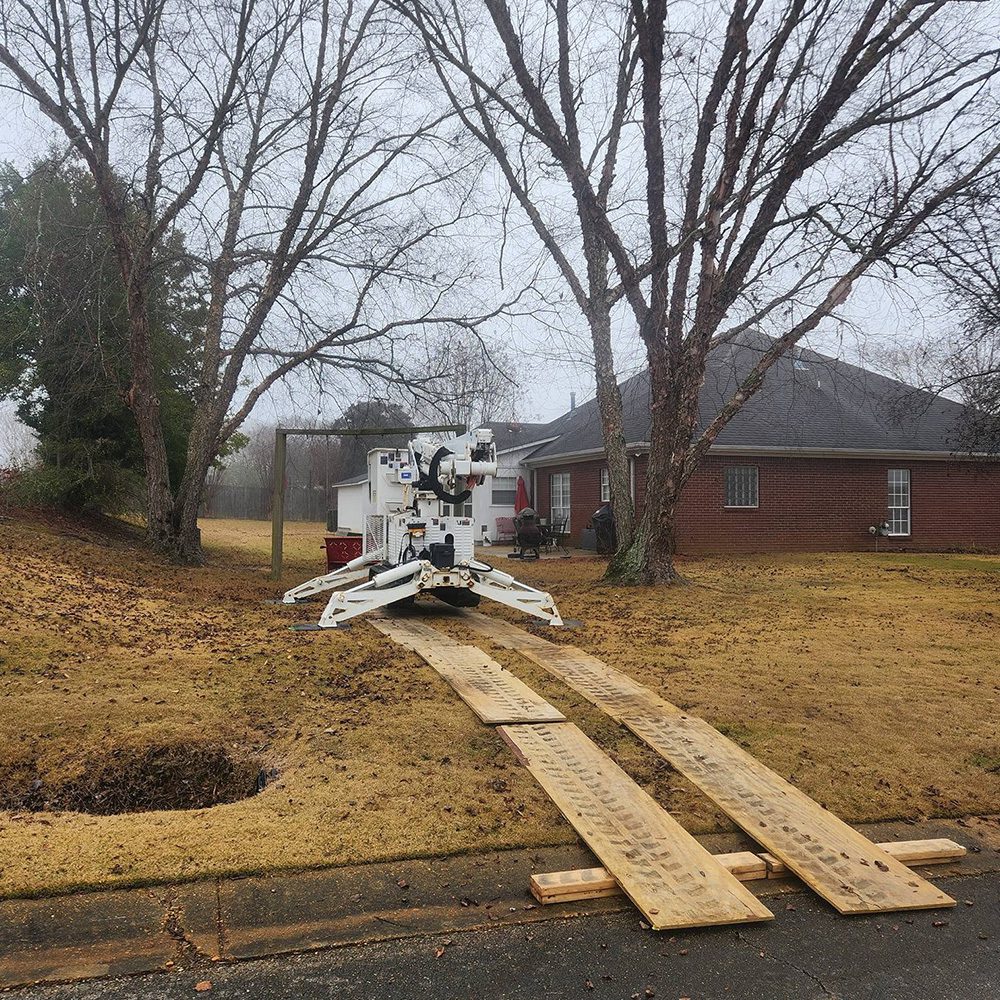
Tree care is a blend of biology, art, and precision safety. Major trimming, large removals, and hazardous assessments require specialized equipment, rigging techniques, and certified expertise. Our local team combines deep knowledge of North Mississippi’s specific flora and climate challenges with industry-leading safety practices to protect your landscape investment.
Whether you need a preventive health evaluation, targeted structural pruning, or emergency hazard mitigation, taking action this November pays dividends for seasons to come. Give your trees the professional care they deserve—and enjoy peace of mind all winter long.
For expert tree care, risk assessments, or emergency service in the greater Tupelo area, contact our team today to schedule your late-fall evaluation.
Any content, resident submissions, guest columns, advertisements, and advertorials are not necessarily endorsed by or represent the views of Best Version Media LLC (BVM) or any municipality, homeowners associations, businesses, or organizations that this publication serves. BVM is not responsible for the reliability, suitability, or timeliness of any content submitted, inclusive of materials generated or composed through artificial intelligence (AI). All content submitted is done so at the sole discretion of the submitting party.