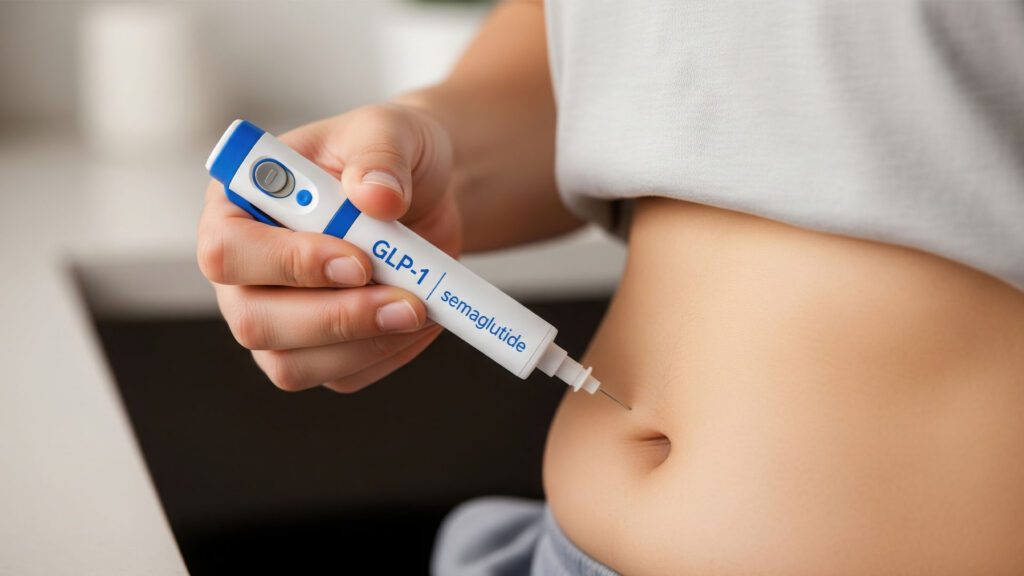
GLP 1 medications can be powerful tools for improving blood sugar, reducing appetite, supporting weight loss, and lowering certain health risks. For some people, particularly those living with diabetes or other chronic conditions, continuing medication long term may be the best choice. For others, the goal is eventually to reduce the dose or discontinue it under medical supervision.
Neither choice is wrong. The important question is: What is your game plan?
Many people begin GLP 1 treatment focused entirely on losing weight. That is understandable, especially after years of trying diets, exercise programs, apps, supplements, and other approaches without lasting success. But the medication is only one piece of the puzzle. Nutrition, muscle strength, sleep, stress, inflammation, daily routines, social support, and budget all affect what happens during treatment and after it ends.
If a GLP 1 is being used as a means to an end, begin with that end in mind. A thoughtful plan should help you lose weight while preserving muscle, improving longevity and metabolic health, strengthening sustainable habits, and determining the lowest effective medication dose with your LWell team Depending on your health history and progress, this process may even help your medical team safely reduce other medications.
Stopping a GLP 1 without a transition plan often leads to increased hunger and weight regain. That does not mean coming off the medication is impossible. It means the work of maintaining your results needs to begin while you are still taking it, not after your final injection.
Your plan should address the reasons weight became difficult in the first place. Is poor sleep affecting appetite and insulin resistance? Has a demanding schedule made meal planning nearly impossible? Are pain or musculoskeletal limitations interfering with exercise? Are chronic stress, inadequate protein, loss of muscle, or heavily processed foods contributing to the problem?
Medication can make these issues easier to address, but it cannot resolve all of them by itself.
Think of a GLP 1 as assistance, not autopilot. The right dose may provide enough support to quiet excessive hunger and create space for meaningful changes without replacing the deeper work of caring for yourself. You may already possess many of the tools you need. An experienced clinical team can help you assemble those pieces into a plan that fits your actual life.
This preparation is especially important when medication access depends on insurance coverage. If your plan may stop covering GLP 1 medications, or if you are among the Sentara Health Plans members expecting coverage changes on October 1, do not wait until your prescription is interrupted. Work with your prescriber now to develop a medically supervised transition strategy.
At LWell, nurse practitioners, registered nurses, registered dietitians, and health coaches work together to create individualized GLP 1 plans without judgment. The goal is not to push everyone toward more medication or insist that everyone stop. It is to help each person use medication responsibly while building the strongest possible foundation for long term health.
GLP 1 medication may be part of your journey. It does not have to be the entire journey. Begin with the end in mind, plan ahead, and make sure your strategy supports not only weight loss, but the healthy life you want to keep.
Any content, resident submissions, guest columns, advertisements, and advertorials are not necessarily endorsed by or represent the views of Best Version Media LLC (BVM) or any municipality, homeowners associations, businesses, or organizations that this publication serves. BVM is not responsible for the reliability, suitability, or timeliness of any content submitted, inclusive of materials generated or composed through artificial intelligence (AI). All content submitted is done so at the sole discretion of the submitting party.