Most people do not think much about the big toe until it starts to hurt. But the big toe has one of the most important jobs in the foot. Every time you walk, climb stairs, push off to run, squat, balance, or change direction, the big toe helps guide the movement. It is not just a toe. It is part of your foundation.
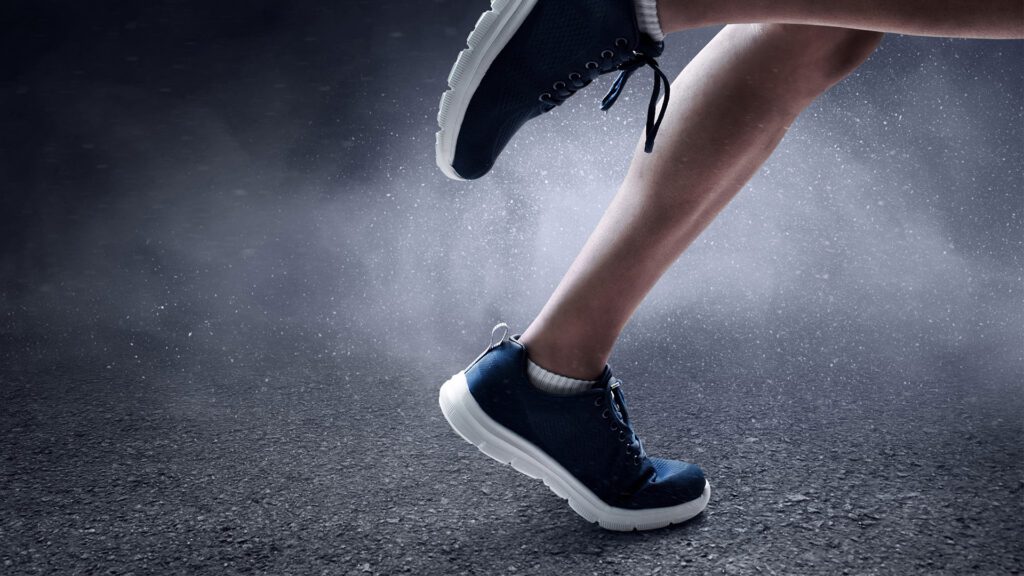
During a normal step, your weight moves from your heel, through the middle of the foot, and then forward toward the big toe. As you push off the ground, the big toe bends upward and helps create leverage. That motion helps move your body forward.
When the big toe does not move well, the rest of the body has to compensate. Some people start turning the foot outward. Some roll pressure to the outside of the foot. Some avoid pushing off fully. Others develop pain in the ball of the foot, arch, ankle, knee, hip, or lower back because the body is trying to work around a stiff or painful joint.
A big toe problem can show up in many ways. You may notice stiffness, swelling, a bump near the joint, pain in certain shoes, trouble wearing heels, pain when walking uphill, or discomfort when doing lunges, planks, running, or yoga. Some patients feel pain only during activity. Others feel it every day.
Common causes include arthritis, bunions, joint inflammation, tendon imbalance, old injuries, poor shoe support, flat feet, high arches, or years of pressure through the joint. In some patients, the big toe does not look severely deformed, but the joint has already started losing motion.
This is why early evaluation matters. The goal is not only to treat pain. The goal is to understand why the big toe is struggling and how it is affecting the way you move.
Treatment depends on the cause. Some patients improve with better shoes, custom orthotics, padding, activity changes, stretching, strengthening, or reducing pressure through the joint. Others may need imaging, anti-inflammatory care, advanced treatment options, or surgery if the joint damage or deformity has progressed.
The most important thing is not to ignore it. When the big toe loses motion, your body usually finds another way to move. That workaround may help you get through the day, but over time, it can create new pain in new places.
Your big toe may be small compared to the rest of your body, but its job is not small. It helps you push forward.
Any content, resident submissions, guest columns, advertisements, and advertorials are not necessarily endorsed by or represent the views of Best Version Media LLC (BVM) or any municipality, homeowners associations, businesses, or organizations that this publication serves. BVM is not responsible for the reliability, suitability, or timeliness of any content submitted, inclusive of materials generated or composed through artificial intelligence (AI). All content submitted is done so at the sole discretion of the submitting party.