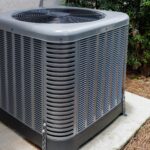
Purchasing a new heating and cooling system is a major investment and should not be decided under pressure. Unfortunately, some homeowners are told their system is unsafe, beyond repair, or likely to fail without receiving a clear explanation or understanding of their options.
Before making an expensive HVAC decision, slow down, ask questions, and know exactly what you are buying.
Does the System Really Need Replacement?
A costly repair does not automatically mean replacement is the best choice. Ask the technician to show you what failed, explain whether it can be repaired, and provide estimated costs for both repair and replacement.
Consider the system’s age, condition, repair history, energy use, and potential future repairs. If you are uncertain, get a second opinion from another qualified HVAC company.
Is the Equipment Properly Sized?
Bigger is not always better. An oversized system may cycle too frequently, struggle with humidity, create uneven temperatures, and experience unnecessary wear. An undersized system may run constantly without keeping the home comfortable.
A reputable contractor should evaluate your home instead of automatically installing equipment the same size as the existing unit. Square footage, insulation, windows, ductwork, layout, and sun exposure all affect proper sizing.
What Equipment Is Being Recommended?
Ask for the manufacturer, model numbers, efficiency ratings, and system type. You should also ask:
- Are replacement parts readily available?
- Are local technicians familiar with the equipment?
- Are any parts proprietary or unusually expensive?
- How long has this product line been available?
The least expensive system today may not be the most affordable over the next 10 to 15 years. Parts availability and repair costs matter.
What Does the Warranty Cover?
Ask about the manufacturer’s parts warranty, compressor coverage, and the contractor’s labor warranty. Find out whether registration or regular maintenance is required to keep the warranty valid.
Also ask who handles warranty repairs and whether you could still be responsible for labor, refrigerant, shipping, or service fees.
Has the Ductwork Been Evaluated?
Even excellent equipment cannot perform properly with leaking, damaged, undersized, or poorly designed ductwork. Ask whether the ducts, airflow, return-air capacity, drain lines, and thermostat have been evaluated. Drain lines and thermostats are typically included with new installations, so confirm what your proposal covers.
Compare More Than Price
The contractor matters just as much as the equipment. Ask who you’re buying from, how long they’ve been in business, who will perform the installation, and whether they’ll be around to honor the warranty and stand behind their work. A reputable contractor should be willing to answer your questions, provide a clear proposal, and never pressure or scare you into a decision.
Make sure estimates include comparable equipment and services. One proposal may include permits, duct modifications, upgraded filtration, drain protection, or a stronger labor warranty, while another may not.
Any content, resident submissions, guest columns, advertisements, and advertorials are not necessarily endorsed by or represent the views of Best Version Media LLC (BVM) or any municipality, homeowners associations, businesses, or organizations that this publication serves. BVM is not responsible for the reliability, suitability, or timeliness of any content submitted, inclusive of materials generated or composed through artificial intelligence (AI). All content submitted is done so at the sole discretion of the submitting party.