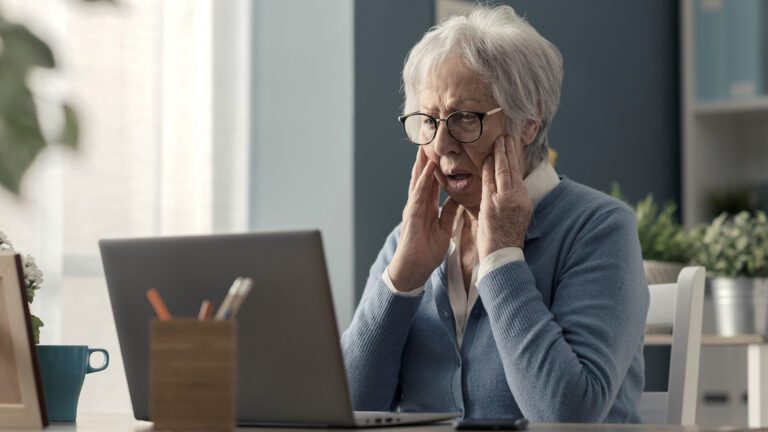
We’ve all gotten one: the text message that says there’s a problem with your account, the email asking you to click a link, or the phone call that just doesn’t feel quite right.
Unfortunately, scammers are getting better at making those messages look and sound legitimate. They may know your name, mention a company you do business with or even make the phone number on your caller ID look familiar. That can make it harder to know what’s real and what isn’t.
At TexasBank, we believe one of the best ways we can help protect our customers is simply by talking about it.
A good rule of thumb is this: slow down. Scammers want you to feel rushed, worried or afraid. They may tell you that your account has been compromised, a payment is overdue or you need to act immediately. Before you click, respond or provide any information, take a minute to think.
If someone contacts you claiming to be your bank and asks for your password, PIN, online banking credentials or a verification code, don’t provide it. Hang up and call your bank directly using a number you already know and trust. The same goes for suspicious emails and text messages: avoid clicking links and go directly to the company’s website or app instead.
It’s also important to use strong, unique passwords and turn on multi-factor authentication whenever it’s available. And don’t forget to check your accounts regularly. You know your spending habits better than anyone, and catching something unusual early can make a big difference.
Most importantly, never be embarrassed to ask questions. We would much rather have a customer call us and ask, “Does this look right?” than find out later that someone took advantage of them.
Community banking is built on relationships, and looking out for one another is part of that. Technology may keep changing, and scams will continue to change with it. But sometimes one of the best protections is still pretty simple: pay attention, trust your instincts and know who you can call when something doesn’t feel right.
A little caution can go a long way, and if you’re ever unsure, your local banker is always a good place to start.
Any content, resident submissions, guest columns, advertisements, and advertorials are not necessarily endorsed by or represent the views of Best Version Media LLC (BVM) or any municipality, homeowners associations, businesses, or organizations that this publication serves. BVM is not responsible for the reliability, suitability, or timeliness of any content submitted, inclusive of materials generated or composed through artificial intelligence (AI). All content submitted is done so at the sole discretion of the submitting party.