Winter is a season of cozy nights, holiday gatherings, and warm fires in the fireplace. Unfortunately, it’s also one of the most dangerous times of year for property fires. As temperatures drop, heating equipment works overtime, candles flicker more often, and electrical systems face added strain. The result? A significant increase in fire risk for both homes and businesses.
The good news is that most winter fires are preventable. By understanding the most common hazards and taking a few simple precautions, you can help protect your property, your loved ones, and your peace of mind.
Why Winter Fire Safety Matters
Winter creates a perfect storm of conditions that can lead to accidental fires. Heating systems run continuously, people spend more time indoors, and seasonal decorations often introduce additional fire hazards. According to the National Fire Protection Association, space heaters are responsible for nearly half of all home heating fires, making them one of the biggest winter safety concerns.
Beyond heating equipment, activities like holiday cooking, candle use, and overloaded electrical outlets can quickly turn a comfortable winter evening into a serious emergency. Taking preventive measures now can dramatically reduce the likelihood of fire damage later.
The Most Common Causes of Winter Fires
Many winter fires begin with everyday activities. Understanding where the risks come from is the first step toward preventing them.
Heating Equipment
Space heaters, fireplaces, and furnaces provide essential warmth, but they can become dangerous when improperly maintained or placed too close to combustible materials. Even a small mistake can lead to a rapidly spreading fire.
Candles
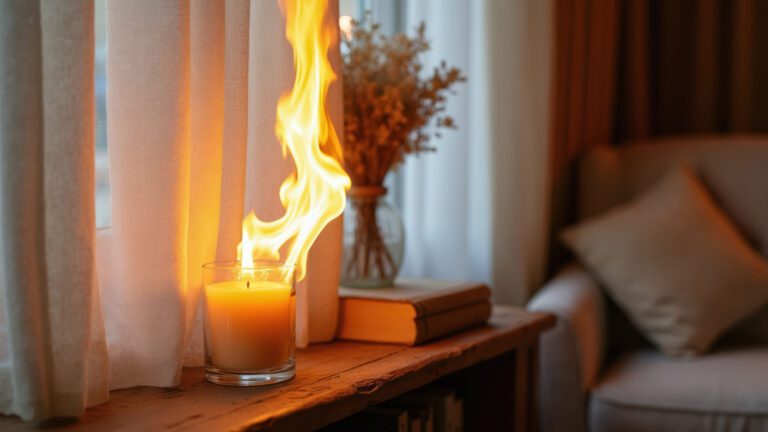
Nothing creates a cozy atmosphere like candlelight, but unattended candles remain a leading source of residential fires. A single forgotten candle can ignite curtains, furniture, or other nearby materials within minutes.
Electrical Problems
Winter often means plugging in holiday lights, portable heaters, and extra appliances. Overloaded outlets, damaged extension cords, and faulty wiring can overheat and spark fires.
Cooking Accidents
Holiday meals bring families together, but unattended cooking remains one of the most common causes of house fires. Grease fires, in particular, can become dangerous in seconds.
Seasonal Decorations
Dry Christmas trees, paper decorations, and garlands can ignite surprisingly fast when placed near fireplaces, candles, or heating equipment.
Dryer Vent Fires
Lint may seem harmless, but it’s highly flammable. When dryer vents become clogged, heat builds up and can create the perfect conditions for a fire.
Simple Steps to Keep Your Home Safe This Winter
Fire prevention doesn’t have to be complicated. A few proactive habits can go a long way toward reducing risk.
Give Heating Equipment Room to Breathe
Keep space heaters at least three feet away from furniture, curtains, bedding, and other combustible materials. Schedule annual inspections for furnaces and fireplaces to ensure they’re operating safely and efficiently.
Choose Safer Candle Alternatives
Consider using flameless LED candles for the same warm ambiance without the fire risk. If you use traditional candles, never leave them unattended and always extinguish them before leaving a room or going to bed.
Prevent Electrical Overloads
Plug large appliances and space heaters directly into wall outlets rather than extension cords or power strips. Regularly inspect cords for signs of wear, cracking, or damage.
Keep Fire Extinguishers Accessible
A fire extinguisher can stop a small fire from becoming a major disaster. Keep extinguishers in key locations such as the kitchen, near heating equipment, and in common living areas, and make sure everyone knows how to use them.
Practice Safe Cooking
Stay in the kitchen while cooking, especially when frying food. If a grease fire occurs, cover the pan with a lid to smother the flames. Never use water on a grease fire.
Clean Dryer Vents Regularly
Remove lint from the lint trap after every load and schedule routine dryer vent cleanings to prevent dangerous buildup.
Stay Safe All Season Long
Winter should be spent enjoying family, friends, and the comfort of home, not dealing with the aftermath of a fire. By staying aware of common seasonal hazards and taking a proactive approach to fire prevention, you can significantly reduce your risk and keep your property protected throughout the colder months.
Whether it’s maintaining your heating equipment, practicing safe cooking habits, or simply keeping flammable materials away from heat sources, small actions today can make a big difference tomorrow.
Any content, resident submissions, guest columns, advertisements, and advertorials are not necessarily endorsed by or represent the views of Best Version Media LLC (BVM) or any municipality, homeowners associations, businesses, or organizations that this publication serves. BVM is not responsible for the reliability, suitability, or timeliness of any content submitted, inclusive of materials generated or composed through artificial intelligence (AI). All content submitted is done so at the sole discretion of the submitting party.