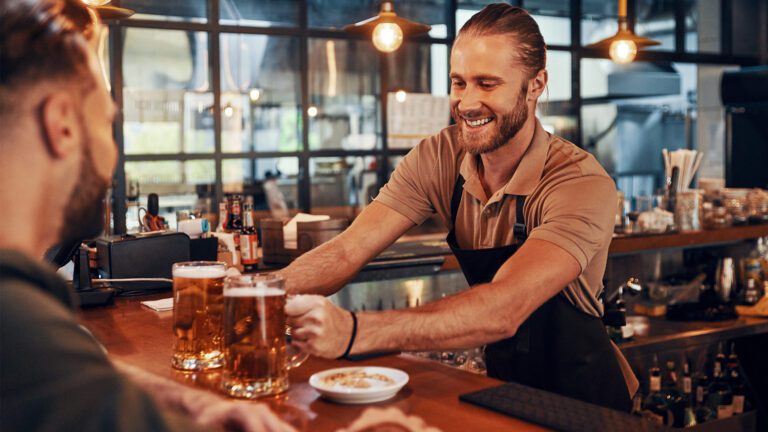
In an increasingly crowded market, local breweries, wineries and distilleries depend on factors beyond the quality of their pour to fill their seats. The tasting room or taproom has become more than just a place to sample products.
Many craft beverage brands achieve long-term success when they transform their tasting rooms into irreplaceable community hubs and gathering places. Customers can attend trivia nights, discover new releases, celebrate milestones and host private events. That shift helps these businesses build stronger relationships with nearby customers while creating continuous reasons to visit throughout the year.
The opportunity is particularly relevant when competing against a growing number of beverage brands and entertainment options. Instead of marketing solely what is in the glass, breweries, wineries and distilleries can promote the experience around it. Targeted, recurring community events give customers an incentive to return, product-release events spark urgency and private parties can turn the venue into a sought-after destination.
The strategy is straightforward: turn the establishment into a recognizable community spot, promote those experiences to people nearby and consistently reinforce why the business is worth visiting. Local marketing brings this strategy to life through digital display ads, social campaigns, community publications and reputation management. Together, these tools allow local beverage businesses to stand out from competitors, build lasting customer loyalty and drive maximum taproom revenue.
Why Craft Beverage Businesses Need More Than Product Marketing
While the quality of beer, wine and spirits remains essential, exceptional products alone may simply not be enough to differentiate a local brand or establishment.
Competition has never been tighter within the industry. According to data from the Brewers Association, the U.S. craft brewing industry has expanded from just under 2,000 breweries in 2010 to over 9,500 operating craft breweries today. When combined with more than 11,000 wineries in the U.S., according to WineBusiness, and over 2,200 active craft distilleries nationwide, according to the American Craft Spirits Association, local operators are facing an increasingly saturated market where standing out requires far more than what is in the glass.
Customers have numerous ways to purchase these beverages, from grocery stores and liquor retailers to restaurants, bars and online services. However, a taproom or tasting room holds an advantage those channels cannot easily replicate: the in-person experience.
This can include live music, a seasonal release, weekly trivia, a food truck partnership or simply an evening gathering with friends. When a business becomes associated with those experiences, customers have a reason to choose the venue over just the beverage itself.
Consequently, community-focused marketing becomes increasingly valuable. Rather than asking customers to visit simply because you sell a specific drink, your marketing should answer a more compelling question prospects might have: “What is happening here and why should I be a part of it?”
Turn Your Taproom Into a Community Event Hub
Positioning your taproom or tasting room as a community destination is one of the most effective ways to turn casual visitors into regular patrons. Consumer interest in on-site experiences remains high, with data from the 2026 Brewers Association and Harris Poll Consumer Survey showing that 85% of craft beverage consumers drink craft beer monthly while visiting local breweries 5.5 times per year on average.
To capture those visits, craft beverage businesses should establish a consistent calendar of events. Recurring events build habits. A brewery might host trivia night every Thursday, a winery could offer a monthly tasting series and a distillery could organize regular cocktail classes. Once customers know what to expect, visiting becomes part of their routine.
The key lies in finding consistency without becoming overly repetitive. The goal isn’t to fill every night with programming, but to offer targeted experiences that fit your brand, audience and capacity. Key event strategies include:
1. Midweek and recurring programming
Midweek days typically yield lower foot traffic for beverage venues. Recurring events attract groups of friends and fill seats on otherwise quiet Tuesday or Wednesday evenings.
- Interactive nights: Themed trivia, board game socials, bingo, karaoke or casual cornhole, darts and pool leagues.
- Creative and social gatherings: Sip-and-paint nights, pet-friendly patio socials or open mic nights.
- Live entertainment: Live bands, acoustic sets or comedy shows.
Structure interactive nights around customer participation, offering modest prizes like merchandise discounts, gift cards or mug club perks. Tie them to brand-aligned features, such as a weekly new tap release or staff pick of the week, and promote them weeks in advance.
2. Product releases and exclusive tastings
New products provide an immediate opportunity to spark excitement and urgency among loyal fans. Whether launching a seasonal double IPA, a small-batch barrel-aged bourbon or a limited-run rosé, turn production milestones into community gatherings and occasions.
- Exclusive access: Host preview hours or early sampling for mug club members, wine club subscribers or newsletter readers before opening to the general public.
- Launch experiences: Build launches around meet-the-maker sessions, curated food pairings, theme nights or limited merchandise giveaways.
- Multi-channel content: A single launch creates natural marketing momentum. Build anticipation before the event with behind-the-scenes teasers, and follow up afterward with photos and customer reactions.
3. Private parties and community gatherings
Tasting rooms feature flexible, open layouts ideal for private celebrations, corporate mixers, birthday parties and neighborhood fundraisers. Private events introduce your establishment to guests who may have never visited otherwise:
- Incentivize bookings: Offer dedicated party packages, open-bar options or food discounts to make hosting private events appealing.
- Community connections: Partner with local neighborhood associations, non-profits or charity groups for fundraisers, strengthening your reputation as a community pillar.
- Streamline the process: Make private bookings effortless by featuring a dedicated events page on your website with capacity details, food and beverage options, high-quality photos and direct booking forms.
The objective across all these event types isn’t necessarily to fill every night with programming. Instead, it’s about identifying the experiences that fit your brand, audience and capacity, and marketing them consistently.
For local craft beverage businesses, effective marketing doesn’t always require constantly coming up with something new. Rather, it is about finding multiple ways to communicate an engaging experience, before, during and after it happens.
Encouraging event guests to follow your social channels, join an email newsletter or sign up for a loyalty club ensures that a single trivia night or private party becomes the springboard for long-lasting customer relationships.
Promote Experiences Through Social Media, Digital Ads and Email
Hosting great events is only half the battle, as nearby community members must know what is taking place. Several marketing tactics can help achieve this, starting with an effective digital strategy that bridges the gap between event planning and actual taproom foot traffic.
1. Establish Your Digital Foundation
Before running campaigns, make sure your messaging is clear. Define your brand identity by conveying your background, brewing process and values throughout all marketing materials. In addition, know your target audience’s local demographics and interests, and understand the unique selling propositions that set your craft beverage business apart through competitor analysis and identification of recent market trends. Every post and ad should reflect your brand’s personality and quickly answer basic questions, such as “What is happening?” “When is it happening” “Where is it happening?” “Why would someone care?”
2. Organic Social Media and Content Strategy
Social media is your visual marquee. According to a 2024 survey from Toast, 84% of consumers prefer to see photos of food and drinks served at an establishment above anything else. Rather than relying solely on static graphics announcing dates and times, showcase the experience guests can expect, whether that’s a new pour, crowded trivia nights, or friends on a pet-friendly patio. To turn your feeds into an immersive preview of your taproom, focus on several key content pillars:
- Share educational content: Establish authority by sharing short-form videos explaining the brewing, winemaking or distilling process. Feature interviews with your head brewer, winemaker or master distiller, give virtual facility tours and break down taste profiles, ingredient sourcing, or seasonal spirit and food pairings.
- Spotlight your team: Humanize your brand by showcasing dedicated employee spotlights. Highlight staff roles, their background and expertise, behind-the-bar moments and personal craft beverage recommendations, helping guests recognize familiar faces when they visit.
- Leverage local influencers: Partner with local food and beverage creators or bloggers to reach targeted local audiences in a cost-effective manner. You can even host them as guest bartenders or livestream release events.
Focus on platforms where your audience engages most. Use Instagram for high-quality visual releases, Facebook for event pages, menu showcases and community groups, and TikTok for dynamic, short-form video content like bartender team spotlights, behind-the-scenes moments, beverage creation or even short Q&As.
3. Targeted Hyperlocal Digital Ads
Organic reach only goes so far. Paid digital advertising extends your message beyond current followers to potential patrons in your immediate geographic area.
- Meta ads: Precisely target residents based on local interests, such as craft beer, wine tasting or mixology, with video ads of product releases or taproom experiences.
- Google Display ads: These function as digital billboards, reminding local consumers of upcoming releases or weekly specials while they browse sites and apps.
Organic social communicates your brand identity, paid social drives immediate action for specific events and display ads reinforce long-term local recognition.
Best Version Media helps craft beverage businesses capture local market share by managing targeted display and social media ad campaigns designed to reach your ideal demographic.
4. Direct Email Marketing
Complement your social and ad strategies with email marketing to turn casual attendees into loyal regulars. Send monthly newsletters featuring upcoming event schedules, exclusive product looks, brewing stories and special promotions. Emails can be personalized, must have clear messaging and should include direct calls-to-action (CTAs).
Connecting Hyperlocal Loyalty Through Print and Community Advertising
Digital advertising works best when it reinforces a recognizable local identity. While digital ads capture immediate audience attention, print advertising creates deep, trusted connections within specific neighborhoods and should not be overlooked by craft beverage businesses.
Local, community-based publications offer high retention rates, often sitting around the house for weeks at a time. A brewery, winery or distillery can take advantage of this opportunity to introduce itself to nearby residents, promote an upcoming event or contribute useful local content about beverages, entertainment or community happenings.
Taking the initiative to bring nearby residents through your doors for an initial visit pays long-term dividends. According to the Brewers Association, 58% of craft consumers say they purchase more of a brewery’s product after visiting its physical taproom. To convert nearby neighbors into taproom guests, craft producers can leverage multiple print tactics:
- Advertising in local print publications: This puts your brand directly into the hands of homeowners living near your establishment. Highly localized publications reach affluent, community-minded residents who actively look for local dining and entertainment spots.
- Contributing expert educational columns: Craft beverage owners can establish authority by contributing educational content to community magazines. Writing short monthly columns on topics like wine pairings, the craft brewing process, seasonal cocktail recipes or upcoming events positions your brand as a helpful local community resource rather than just another business seeking a sale, giving customers a genuine reason to engage with your business.
Best Version Media produces over 1,300 monthly community magazines across the U.S. and Canada, reaching targeted, affluent neighborhoods. Through a combination of print advertising and expert contributor columns, BVM helps local craft beverage businesses turn nearby residents into loyal taproom guests.
Building local connections extends beyond placing an ad in a print magazine. Craft beverage establishments should look to partner with other local businesses, such as restaurants, food trucks and neighborhood vendors, further integrating themselves into the community while creating cross-promotional opportunities. Additionally, increasing brand awareness through sponsorships, fundraisers or charitable donations promotes a positive brand image and local reputation.
The goal across all channels should be consistency. A resident might first see a business within a community magazine, later encounter a Facebook ad promoting trivia night and eventually search for the business online before visiting. Each touchpoint should reinforce the same local identity.
Managing Your Online Footprint, Reputation and Customer Retention
Getting noticed is only part of the equation. When someone discovers a brewery, winery or distillery for the first time, they typically look them up online, establishing a first impression long before they might walk through your doors.
That makes accurate business information and a strong review profile important components of local marketing, as it allows consumers to find correct information while feeling more confident in visiting.
Inaccurate business hours, old menus or incorrect addresses on map platforms directly cost businesses customer foot traffic. Maintain consistent updates across Google Maps, Apple Maps, Yelp and specialized craft beverage directories to help capture local search intent. All online listings, most importantly your Google Business Profile (GBP), should be claimed and optimized with current name, address and phone number (NAP) details, accurate hours, high-quality photos and event promotions.
Meanwhile, modern consumers rely heavily on peer reviews when choosing a hangout spot. Encourage satisfied event attendees to leave positive feedback on Google or other review platforms to build social proof. A positive reputation goes beyond making a craft beverage business appear trustworthy. It reduces friction for customers deciding where to spend their evening, meet friends or book an event.
Reputation management should therefore be treated as an ongoing marketing function rather than a task that only happens after a negative review. Frequently monitor review platforms and respond to all feedback, both positive and negative, promptly and professionally. This demonstrates to the community that your establishment values customer experience and satisfaction. According to Bright Local’s 2026 Local Consumer Review Survey, 80% of consumers are more likely to use a business that responds to all reviews.
Once potential customers show interest, they often land on your website, which should be mobile-optimized, fast-loading and user-friendly. According to research from Hosting Advice, 92% of consumers report increased confidence in the products or services of a business when its website functions smoothly.
Beyond basic menus and hours, your site should feature engaging blog content on topics like spirit and food pairings or seasonal drink recommendations. Be sure to highlight customer reviews alongside trust signals, such as brewing awards, certifications or third-party recognition from entities like Yelp or TripAdvisor, to convert digital interest into real-world visits.
Getting customers through the door is a success, but marketing does not stop there, as retention is key.
- Membership and loyalty programs: A wise tactic to create repeat customers is implementing a membership program offering perks like first access to special releases, exclusive event invites or point accumulation toward beverage discounts. For example, a winery could introduce a wine club that offers rewards, discounted pricing and exclusive access to sampling nights.
- Year-round seasonal marketing: Another important way to secure retention is making sure you market year-round. In the winter, promote holiday or Valentine’s Day specials. In the spring, focus on Mother’s Day, patio launches or National Wine Day. In the summer, advertise outdoor festivals and food truck rallies, and in the fall, highlight harvest pairings, football watch parties and Black Friday specials.
Measuring What Drives Taproom Foot Traffic
Marketing is often about adaptation. Not every event or advertising campaign will produce the same results. Businesses should pay attention to the activities that generate measurable customer interest.
Key performance indicators (KPIs) to track include:
- Foot traffic and revenue: Event attendance, reservations, private party inquiries, promotion redemptions, new customer reviews and customer retention rates.
- Digital engagement and return on investment (ROI): Website traffic, social interactions, email open rates and ROI by advertising platform or channel.
It can also be helpful to compare different types of programming. Does trivia consistently fill the room? Do limited releases generate more customers than recurring events? Do private parties lead to repeat visits? Which advertising creative produces the most event-page traffic?
These insights can ultimately help businesses allocate their marketing budgets more effectively. The objective is not to advertise more. It is to understand what experiences and messages turn local awareness into actual visits.
From Taproom to Neighborhood Staple: The Evolving Landscape of Local Beverage Marketing
The craft beverage industry has shifted dramatically over the past decade. With thousands of operating breweries, wineries and distilleries across the nation, product availability alone no longer guarantees commercial success.
Modern consumers prioritize experience, convenience and community connection over brand loyalty to national labels. That means the most successful craft beverage establishments become more than places to just buy a drink. They become spots where people regularly meet, celebrate, discover something new and spend time with their community.
That transformation begins inside the taproom or tasting room, but it does not end there. A strong event calendar gives customers a reason to visit, product releases create anticipation and private parties introduce new audiences.
Establishing a distinct physical identity through community engagement ensures long-term business resilience against economic shifts and industry saturation. Digital advertising puts experiences in front of nearby residents, while community-focused print marketing and reputation management reinforce familiarity and trust. Implementing this omnichannel marketing approach can help you win local foot traffic and build a dedicated customer base.
For wineries, breweries and distilleries, the opportunity is to stop thinking of the tasting room as simply the destination and start treating it as the center of a local experience. When customers know what is happening, recognize the brand and associate it with positive community experiences, a visit becomes more than a transaction. It becomes a habit, positioning your establishment as a staple of the community.
How Best Version Media Can Help Craft Beverage Businesses Win More Local Traffic
Best Version Media offers a suite of print and digital marketing solutions that can help breweries, wineries and distilleries strengthen their local presence and ultimately win more foot traffic.
With over 1,300 community magazines produced and distributed monthly across the U.S. and Canada, BVM gives local craft beverage businesses opportunities to advertise in publications that reach targeted, affluent neighborhoods. These businesses can also contribute educational columns and other community-focused content, creating an avenue to build familiarity and demonstrate expertise.
BVM complements these print offerings with targeted digital advertising and online presence management. Meta ads can help promote upcoming events, new releases or simply the atmosphere of a taproom or tasting room. Google Display ads complement those campaigns by building awareness across websites and mobile apps within a targeted geographic area.
Meanwhile, BVM’s online presence solutions further support the customer journey by helping businesses manage listings and reviews. Accurate information across directories, maps and search platforms can makes it easier for prospective clients to find your business, while review management tools help establishments monitor and respond to valuable customer feedback.
Connect with BVM today to implement an omnichannel marketing strategy that can elevate your craft beverage business to the next level.
FAQs
1. Why is community-based event marketing essential for breweries, wineries and distilleries?
With thousands of operating craft beverage businesses competing in a saturated market, exceptional product quality alone is no longer enough to guarantee foot traffic. Community-focused event marketing, such as hosting midweek trivia nights, exclusive product releases and private celebrations, transforms a tasting room from a transactional drinking spot into an irreplaceable neighborhood gathering place. Positioning a taproom as an experiential destination gives nearby residents continuous, habit-building incentives to visit, building long-term customer loyalty, and drives maximum revenue beyond off-shelf beverage sales.
2. What are the best marketing strategies to increase foot traffic to a local taproom or tasting room?
Winning local foot traffic requires an omnichannel approach that combines localized digital advertising, organic social content and community-focused print marketing. Establishing an accurate digital foundation with a claimed Google Business Profile and active review management helps prospective customers find accurate hours and positive social proof when searching online. Complementing these efforts through targeted Meta and Google Display ads highlights upcoming events to nearby demographics, while print ads and educational columns in localized community publications build trust with nearby homeowners, converting initial visits into repeat business.
3. How can midweek events and product release launches help increase craft beverage taproom revenue?
Midweek programming and product launch events target two distinct revenue opportunities: filling low-volume hours and creating buying urgency. Recurring interactive nights, like Wednesday trivia, board game socials or sip-and-paint gatherings, establish consistent habits that bring groups of friends into the taproom on typically quiet weeknights. Meanwhile, seasonal or limited-edition product launches create anticipation and exclusivity, giving mug club members and loyal fans a compelling, time-sensitive reason to visit, sample new releases and make direct purchases.