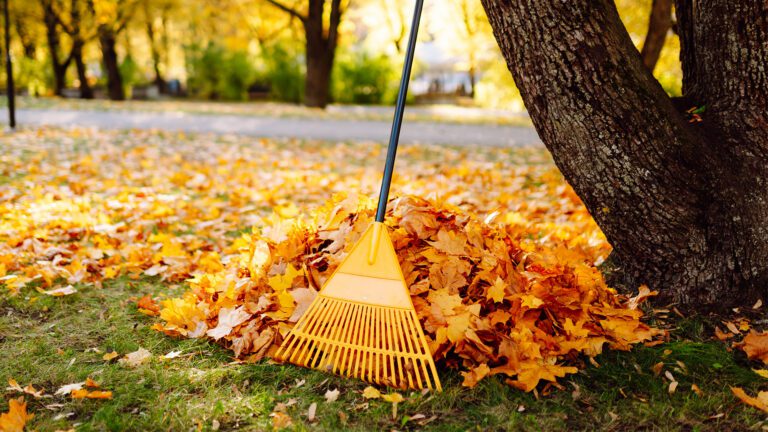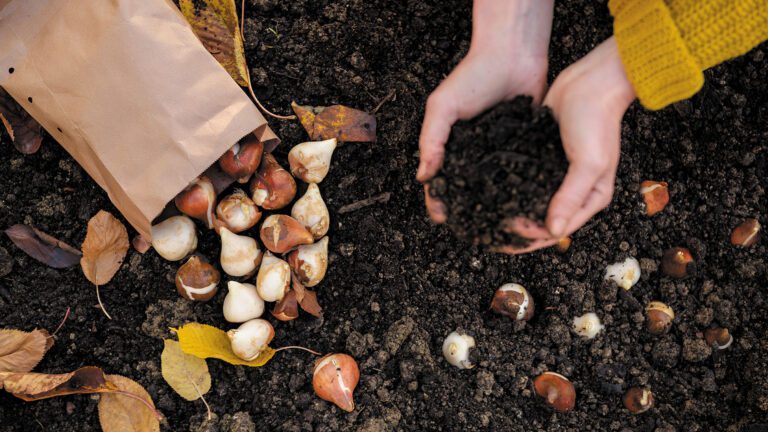
When most homeowners think about planting, spring is usually the first season that comes to mind. Garden centers are full, flowers are blooming, and everyone is ready to get outside after winter.
But here is something many people do not know: fall is often the best time of year to install trees, shrubs, and many perennials.
Cooler Weather Means Less Plant Stress
Summer heat can be hard on newly installed plants. High temperatures cause plants to lose moisture quickly, while their limited root systems struggle to absorb enough water.
In fall, cooler air temperatures reduce that stress. Plants do not have to devote as much energy to producing flowers, leaves, or new top growth. Instead, they can direct more energy below the surface—where it matters most.
The Root-Growth Advantage
Even after the air begins to cool, the soil remains warm. This combination of cooler air and workable soil creates favorable conditions for root development.
Roots can continue becoming established until the soil becomes too cold. When spring arrives, fall-planted trees and shrubs already have a head start. Their developing root systems are better prepared to absorb moisture and nutrients, support new growth, and withstand the heat of the following summer.
Fall planting should still be completed early enough for roots to begin establishing before the ground freezes. Penn State Extension recommends allowing approximately six weeks before the first expected frost when possible.
Fall Planting Can Make Watering Easier
New plants always require consistent watering, regardless of the season. However, fall’s cooler temperatures generally mean slower evaporation and less moisture loss than during the heat of summer.
Autumn rainfall can help, but homeowners should not rely on rain alone. Newly installed plants still need to be checked regularly and watered deeply until the ground freezes. Water should reach the root zone rather than only wetting the soil’s surface.
Proper watering during the first year remains one of the most important factors in the long-term success of any new landscape installation.
What Can Be Planted in the Fall?
Fall is an excellent time to install many landscape plants, including:
- Shade and ornamental trees
- Evergreen and flowering shrubs
- Arborvitae and other screening plants
- Many flowering perennials
- Foundation plantings
- Privacy screens
- Replacement plants
- New or renovated landscape beds
It is also an ideal time to replace plants that struggled during summer, improve an overgrown area, add privacy, or complete a landscape project that was postponed during the busy spring season.
Some plants require special timing or additional winter protection, so plant selections should always be based on the property’s sunlight, drainage, soil conditions, available space, and Northern Kentucky’s climate.
Do Not Forget Northern Kentucky Clay Soil
Our heavy clay soil can make planting challenging. Clay holds water, compacts easily, and may prevent adequate oxygen from reaching plant roots.
The planting hole should generally be wider than the root ball but no deeper. Planting too deeply is one of the most common causes of decline.
In compacted clay or poorly draining soil, the top of the root ball may need to remain slightly above the surrounding grade. The soil can then be gently sloped away from the exposed sides rather than piling soil over the root ball.
Mulch can help retain moisture and regulate soil temperature, but it should never be piled against the trunk or stems.
Plan Fall Improvements Before the Season Gets Away
Fall installation schedules can fill quickly. Planning early provides more time to evaluate the property, choose appropriate plants, locate quality materials, and complete the installation while conditions are still favorable.
Whether the goal is improving curb appeal, adding privacy, creating seasonal color, correcting erosion, or replacing declining plants, a professionally planned fall installation can help the landscape enter winter in a stronger position and emerge ready for spring.
Shorter Days Make Outdoor Lighting More Valuable
As daylight hours decrease, fall is also a good time to evaluate outdoor lighting.
Professionally designed landscape lighting can illuminate entrances, walkways, steps, patios, architectural details, and favorite trees or planting areas. It can improve visibility while allowing homeowners to enjoy their property during the longer fall evenings.
Lighting does not need to be bright or overwhelming. A thoughtful design uses warm, carefully placed light to create depth, highlight the landscape, and give the property a welcoming appearance after dark.
Christmas Will Be Here Sooner Than You Think
September may feel early to think about Christmas lights—but for professionally designed holiday displays, now is the time to begin planning.
A custom Christmas-lighting display involves more than simply hanging lights. The design must be planned around the home’s architecture, rooflines, trees, shrubs, entrances, electrical access, safety, and the overall appearance the homeowner wants to create.
Planning early gives homeowners more time to discuss ideas, choose colors and design styles, and reserve an installation date before schedules fill. It also allows the lighting company to obtain the correct commercial-grade products and create a display that looks intentional rather than rushed.
Homeowners who wait until late November may find that preferred installation dates are no longer available. By that point, the most experienced crews are already busy completing displays that were designed and reserved weeks—or even months—earlier.
Whether you prefer timeless warm-white lights, traditional red and green, an elegant roofline, illuminated trees, wreaths, garland, or a complete custom display, the best results begin with early planning.
Do not wait until the first Christmas commercial appears on television. Start planning your holiday display now, reserve your installation, and enjoy the season without climbing a ladder or untangling a single strand of lights.
The best spring landscapes—and the most beautiful Christmas displays—often begin with decisions made in the fall.
Common Mistakes We See
Planting Too Deeply
The top of the root ball should not be buried beneath several inches of soil. Planting too deeply can limit oxygen to the roots and lead to long-term decline.
Digging a Narrow, Deep Hole
Roots need room to spread outward. The planting hole should be wide, with the plant resting on firm, undisturbed soil.
Adding Too Much Amended Soil
Filling the planting hole with rich compost or potting soil can cause roots to remain inside the hole instead of growing into the surrounding native soil.
Assuming Fall Rain Is Enough
Cooler weather does not eliminate the need for watering. New plants still require consistent moisture until the ground freezes.
Piling Mulch Against the Trunk
“Volcano mulching” traps moisture against the bark and can contribute to decay, disease, and insect problems.
Waiting Too Long to Call About Christmas Lights
Professional holiday-lighting schedules fill earlier than many homeowners realize. Waiting until November may limit the available designs, materials, and installation dates.
Pro Tips for Fall Success
Check the soil before watering. Push a finger, screwdriver, or soil probe several inches into the soil near the root ball. If the soil is still moist, wait before watering again.
Water deeply, not briefly. A slow, thorough watering encourages roots to grow outward and downward. A quick spray may only wet the soil’s surface.
Keep the root flare visible. The point where the trunk begins to widen into the roots should remain visible rather than being buried beneath soil or mulch.
Plan for mature plant size. A small shrub may look lonely when first installed, but planting too close to the house, sidewalk, or neighboring plants creates future maintenance problems.
Mark your lighting routes before planting. When installing new landscape beds, consider where future lighting wire and fixtures may be placed. Planning both projects together can reduce disturbance later.
Photograph your property now. Take daytime and nighttime pictures of the front of your home. These photographs can help identify dark areas, architectural features to highlight, and possible locations for landscape or Christmas lighting.
FAMILY FUN: Explore the Night Sky with SkyView Lite
Take the family outside after dark and turn your backyard into a stargazing adventure. Download the SkyView Lite app and point your phone or tablet toward the sky. The app uses your device’s camera to help identify stars, planets, constellations, satellites, and other objects as you move across the night sky.
- Make it a family challenge:
- Find the Big Dipper.
- Look for a visible planet.
- Identify three constellations.
- Watch for a satellite moving overhead.
- Choose one constellation and learn the story behind its name.
- Turn off unnecessary outdoor lights for a few minutes and compare how many additional stars become visible.
A softly illuminated patio or seating area can provide enough light for safe movement while preserving the view of the night sky. It is a simple way to enjoy cooler fall evenings, spend time together, and see your outdoor space from an entirely new perspective.
The Decor Group of NKY, Built on Integrity, Quality, and Service. One Company, One Plan. No Gaps. Female Owned. Member of the National Association of Landscape Professionals and Boone County Rotary. Titan Asset Holdings | The Decor Group of NKY | MKL Enterprises | Lions Gate Management.
Any content, resident submissions, guest columns, advertisements, and advertorials are not necessarily endorsed by or represent the views of Best Version Media LLC (BVM) or any municipality, homeowners associations, businesses, or organizations that this publication serves. BVM is not responsible for the reliability, suitability, or timeliness of any content submitted, inclusive of materials generated or composed through artificial intelligence (AI). All content submitted is done so at the sole discretion of the submitting party.