October is a month of transition. Cooler temperatures, falling leaves, shorter days, and changing weather all signal that it is time to prepare your lawn and landscape for the months ahead.
The work completed now can affect how your property looks through the winter and how well it recovers next spring. A little preparation in the fall can help prevent larger problems, improve turf health, protect landscaping, and make seasonal maintenance much easier.
Fall Cleanup Is More Than Removing Leaves
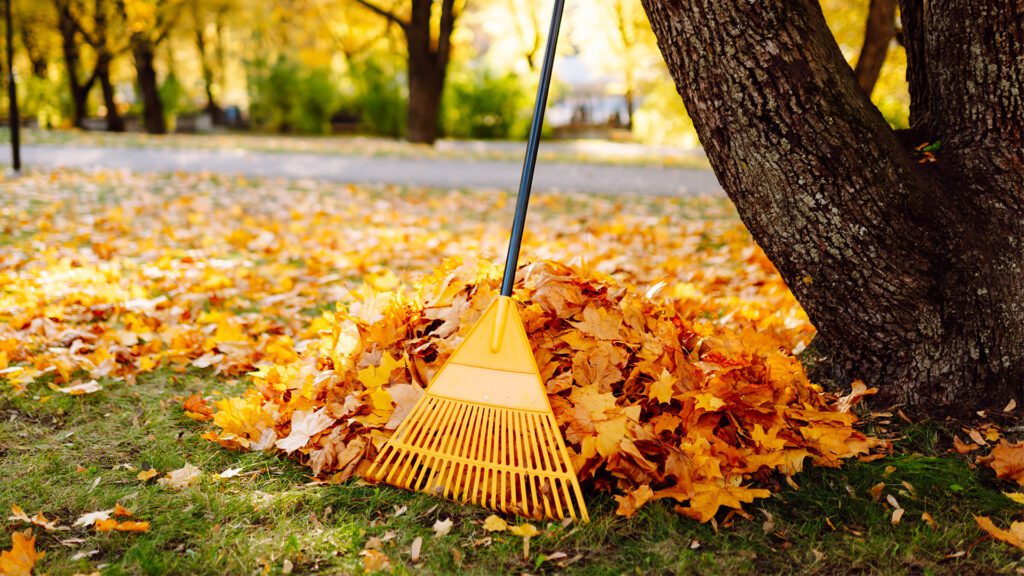
Fallen leaves may look harmless, but allowing a thick layer to remain on the lawn can block sunlight, trap moisture, and restrict airflow. Over time, this can weaken turf and create conditions that encourage mold, disease, and bare areas.
A thorough fall cleanup may include:
- Removing or mulching fallen leaves
- Cutting back appropriate perennials
- Removing dead annuals and seasonal debris
- Cleaning leaves from landscape beds
- Clearing drainage areas and downspouts
- Removing fallen limbs and storm debris
- Completing a final mowing when growth slows
Not every plant should be cut back in the fall. Some ornamental grasses, seed heads, and perennial stems provide winter interest, food for birds, or protection for beneficial insects. Knowing what to remove—and what to leave—is an important part of responsible fall landscape care.
Aeration and Overseeding: Invest in Next Year’s Lawn
Fall is one of the best times to improve cool-season lawns in Northern Kentucky. Cooler air temperatures, warmer soil, and more consistent moisture create favorable growing conditions for new grass seed.
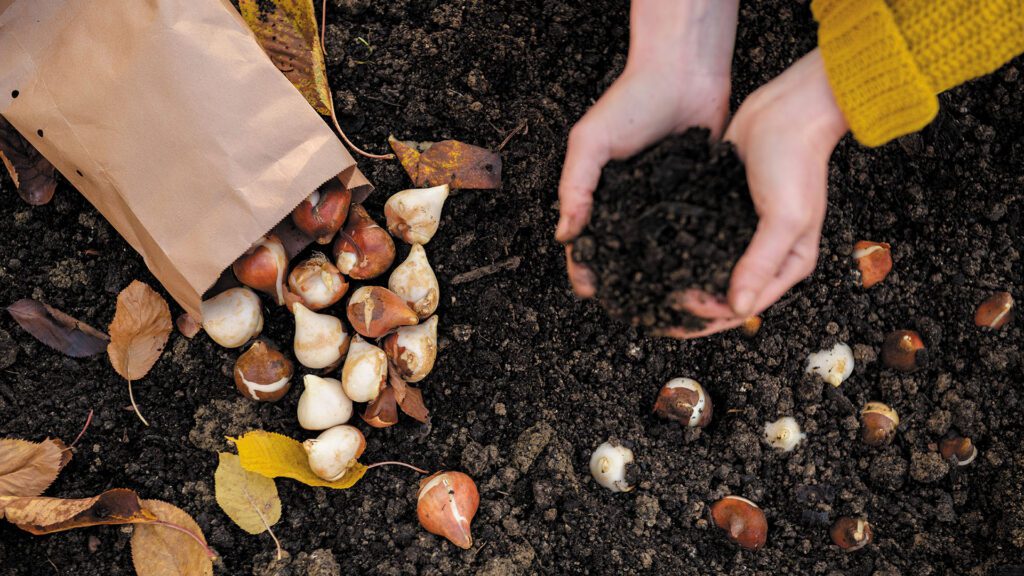
Core aeration removes small plugs of soil from the lawn. This helps relieve compaction and allows air, water, and nutrients to reach the root zone more effectively.
Overseeding introduces new grass into thinning or damaged areas. When completed after aeration, seed has better contact with the soil and a greater opportunity to germinate.
Aeration and overseeding may be especially beneficial when a lawn has:
- Thin or bare areas
- Heavy foot traffic
- Compacted clay soil
- Damage from summer heat or drought
- Excessive thatch
- Weak or shallow root growth
The goal is not simply to make the lawn look better for a few weeks. The goal is to develop thicker turf, stronger roots, and a healthier lawn that is better able to compete with weeds and withstand stressful weather. Here in Northern Kentucky, I would strongly recommend this. I have seen first-hand how aeration and over seeding can change the health of the lawn and curb appeal of a property.
Why Clay Soil Becomes Compacted
Northern Kentucky properties commonly contain heavy clay soil. Clay particles are very small and tightly packed, which means the soil can hold moisture while still becoming hard and difficult for roots to penetrate.
Compaction can be caused by:
- Mowers and equipment repeatedly traveling over the same areas
- Children and pets using the lawn
- Vehicles parking on turf
- Construction activity
- Working the soil while it is overly wet
- Years of normal use without aeration
Compacted soil limits oxygen and reduces the movement of water and nutrients. Grass growing in compacted soil may appear thin even when it receives adequate fertilizer and water.
Core aeration helps open the soil naturally without requiring the entire lawn to be removed or replaced. For many lawns, regular aeration is one of the most practical ways to improve long- term turf health.
Prepare Landscape Beds for Cold Weather
Fall is also a good time to inspect landscape beds before freezing temperatures arrive.
Look for:
- Plants that struggled during summer
- Broken, diseased, or damaged branches
- Mulch that has washed away
- Exposed roots
- Drainage problems
- Overgrown shrubs blocking windows, walks, or lighting
- Plants that may need to be divided or relocated
A light layer of mulch can help regulate soil temperature and reduce moisture loss. However, mulch should not be piled against tree trunks or plant stems. Excessive mulch can trap moisture, encourage decay, and create hiding areas for insects and rodents.
Fall is also an excellent planting season for many trees and shrubs. Cooler temperatures reduce stress on the upper portion of the plant while the roots continue developing in the warmer soil.
Common Fall Mistakes
One of the most common mistakes is waiting until every leaf has fallen before beginning cleanup. Multiple smaller cleanups are often easier on the lawn and prevent heavy, wet leaves from building up.
Other common mistakes include:
- Mowing the lawn extremely short before winter
- Allowing leaves to cover newly seeded areas
- Applying too much seed without preparing the soil
- Using the wrong grass seed for the property
- Cutting back every perennial
- Piling mulch around tree trunks
- Ignoring standing water or clogged drainage areas
- Waiting until the first freeze to inspect irrigation or outdoor water sources
During September and much of October, continue mowing around 3 to 3½ inches. Cool-season grass is actively growing roots and storing energy then, and the extra leaf surface helps it remain dense and resist weeds. Purdue generally recommends 2½ to 3½ inches for most lawns.
Then, during the final two or three mowings, gradually lower the height:
- Normal fall mowing: 3–3½ inches
- Next-to-last mowing: about 2½ inches
- Final mowing: 2–2½ inches
A final height near 2 to 2½ inches can make leaves easier to mulch or collect, prevent grass from matting, and may reduce snow mold and vole damage. Do not go below 2 inches and follow the one-third rule—never remove more than one-third of the grass blade in one mowing.
Fall preparation should be based on the needs of the property rather than a one-size-fits-all checklist.
Overseeding Is Not an Instant Lawn
New grass seeds require time, moisture, and proper soil contact. It may take several weeks for the lawn to fill in, and some areas may develop faster than others.
For better results:
- Keep seeded areas consistently moist, but not saturated
- Avoid heavy traffic on newly seeded turf
- Do not allow leaves to smother young grass
- Delay mowing until the new grass is tall enough
- Use sharp mower blades
- Follow the recommended mowing height for the grass variety
- Be patient while roots become established
Overseeing works best as part of a long-term lawn care plan. It improves turf density gradually and may need to be repeated in areas affected by shade, drainage, pets, or heavy traffic.
A professional evaluation can help determine whether a lawn needs aeration, overseeding, soil improvement, drainage correction, or a combination of services.
Start Planning Your Christmas Lighting Display
Although Christmas may still feel several weeks away, October is the time when professional holiday lighting schedules begin to fill.
Planning early allows time to:
- Review the property and design ideas
- Select colors and display styles
- Measure rooflines, trees, wreaths, and architectural features
- Reserve installation dates
- Coordinate electrical requirements
- Replace or update older decorations
- Plan around unpredictable fall weather
Professional Christmas lighting is about more than hanging lights. A complete service may include custom design, commercial-grade materials, installation, maintenance during the season, removal, and storage.
Weather always plays a role in installation scheduling. Rain, wind, early cold temperatures, and shorter daylight hours can reduce the number of safe installation days available. Reserving early provides greater flexibility and helps ensure the display is completed before holiday activities begin.
Christmas is not just a date on the calendar. It is a memory and a feeling—one that we have been trusted to create for families and businesses for the last 26 years.
Plan Now, Enjoy the Season Later
October preparation is about protecting your investment and reducing last-minute stress.
Whether your property needs fall cleanup, lawn aeration and overseeding, landscape improvements, or a professionally designed Christmas lighting display, planning early gives you more options and allows the work to be completed at the appropriate time.
The Decor Group of NKY
Built on Integrity, Quality, and Service.
One Company. One Plan. No Gaps.
Female Owned | Member of the National Association of Landscape Professionals | Member of Boone County Rotary | Member of Northern Kentucky Chamber of Commerce
Titan Asset Holdings | The Decor Group of NKY | Lions Gate Management
Any content, resident submissions, guest columns, advertisements, and advertorials are not necessarily endorsed by or represent the views of Best Version Media LLC (BVM) or any municipality, homeowners associations, businesses, or organizations that this publication serves. BVM is not responsible for the reliability, suitability, or timeliness of any content submitted, inclusive of materials generated or composed through artificial intelligence (AI). All content submitted is done so at the sole discretion of the submitting party.