It depends on what you mean by “worth.”
“What is this worth?” is probably one of the questions I’m asked most often as a gemologist.
You would think there would be a simple answer. There usually isn’t.
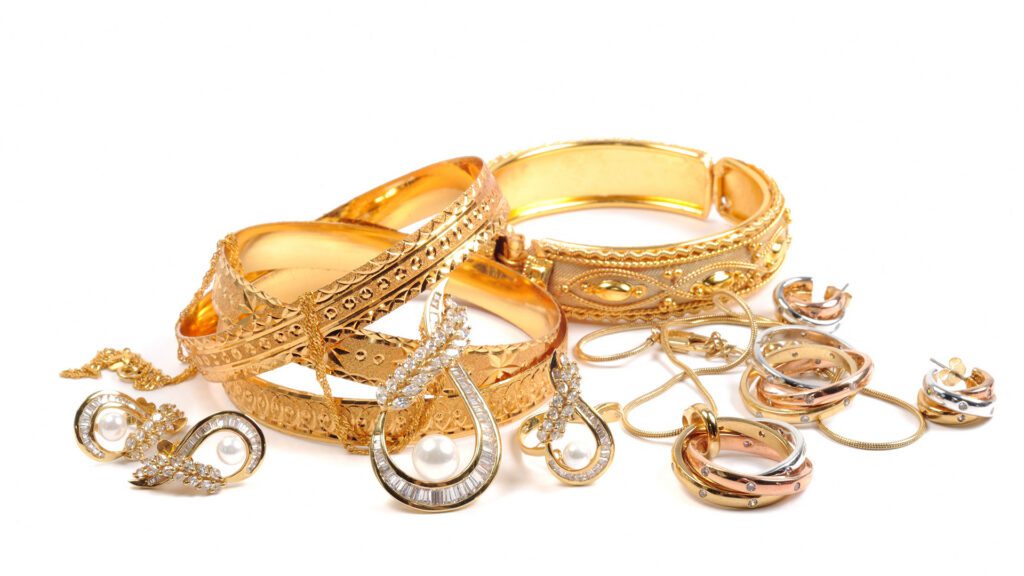
One of the biggest misunderstandings I see involves appraisals. Someone has a piece of jewelry with a $15,000 appraisal and assumes that means they should be able to sell it for $15,000, or that someone buying it should be willing to pay somewhere close to that.
That’s not what an insurance appraisal means.
Insurance replacement value is essentially what it could reasonably cost to replace your piece with something comparable in the appropriate retail market. It serves a purpose, but it doesn’t tell you what your jewelry would bring if you decided to sell it tomorrow.
Fair market value is another number altogether. It’s generally based on what a willing buyer and willing seller would agree upon, with neither being forced to buy or sell. You’ll hear this value discussed with estates, charitable donations, taxes and certain legal situations.
Then there’s what happens in the real world when you actually want to sell something.
I tell people, “On the secondary market, your jewelry is only worth what someone is willing to pay for it.”
I know that can sound sarcastic. I promise it isn’t.
You can put almost any price you want on a piece of jewelry. The bigger question is how long you’re willing to wait for someone who agrees with your number. If you set the price aggressively, you will be more likely to find a buyer. Price it at the very top of what the market might support and you could wait months or years.
A lot of the time, the difference between those two prices is simply time.
And we can’t forget that jewelry is personal. Beauty really is in the eye of the beholder.
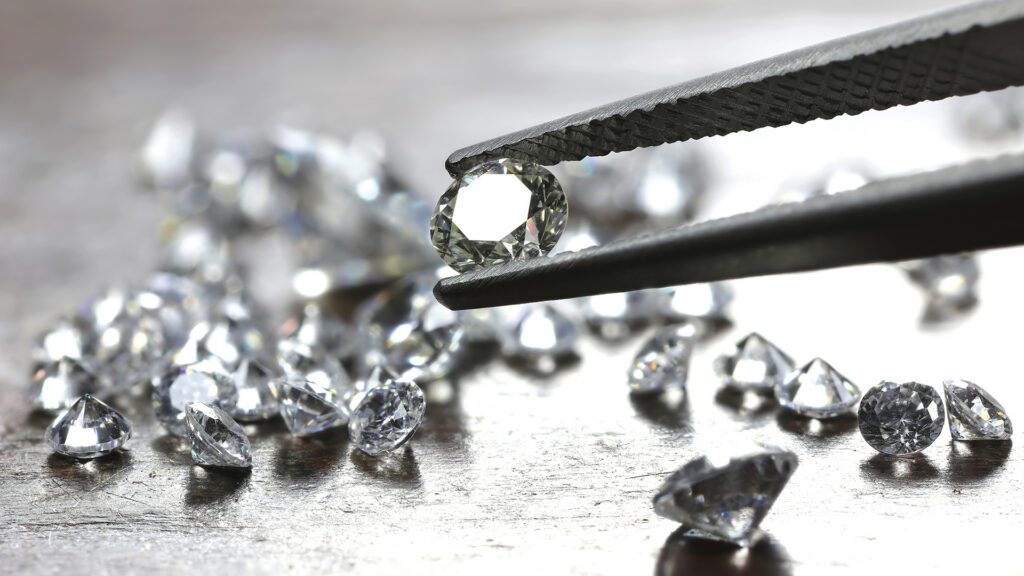
Fancy-shaped diamonds are a great example. I’ve watched shapes come in and out of style over the years. Marquise diamonds can be incredibly popular, fall out of favor and then come right back again. The same thing happens with pears, ovals, cushions and emerald cuts.
The diamond didn’t suddenly become better or worse. Demand changed. And demand can affect both the price and how easy or difficult a particular shape is to find.
There are other things that can completely change the equation. Who made the piece? How old is it? Is it rare? Is it signed? Has it been altered? Sometimes an antique or signed piece is worth considerably more intact than the gold and gemstones would ever be worth separately.
That’s why sometimes the most important thing isn’t immediately putting a dollar amount on a piece. It’s figuring out exactly what you have first.
So when someone asks me, “What’s this worth?” I usually answer with another question:
“What kind of value are you looking for?”
Because what it costs to replace, what it’s worth for an estate, what the melt and/or liquidation of the materials and what someone will actually pay you for it today can be four very different numbers.
And none of them are necessarily wrong.
As a GIA Graduate Gemologist with nearly 30 years of experience buying, selling and evaluating fine and vintage jewelry, I’m happy to help you better understand whatever value you are looking for.
Appointments with Kimberly are required for all evaluations and appraisals.
Any content, resident submissions, guest columns, advertisements, and advertorials are not necessarily endorsed by or represent the views of Best Version Media LLC (BVM) or any municipality, homeowners associations, businesses, or organizations that this publication serves. BVM is not responsible for the reliability, suitability, or timeliness of any content submitted, inclusive of materials generated or composed through artificial intelligence (AI). All content submitted is done so at the sole discretion of the submitting party.