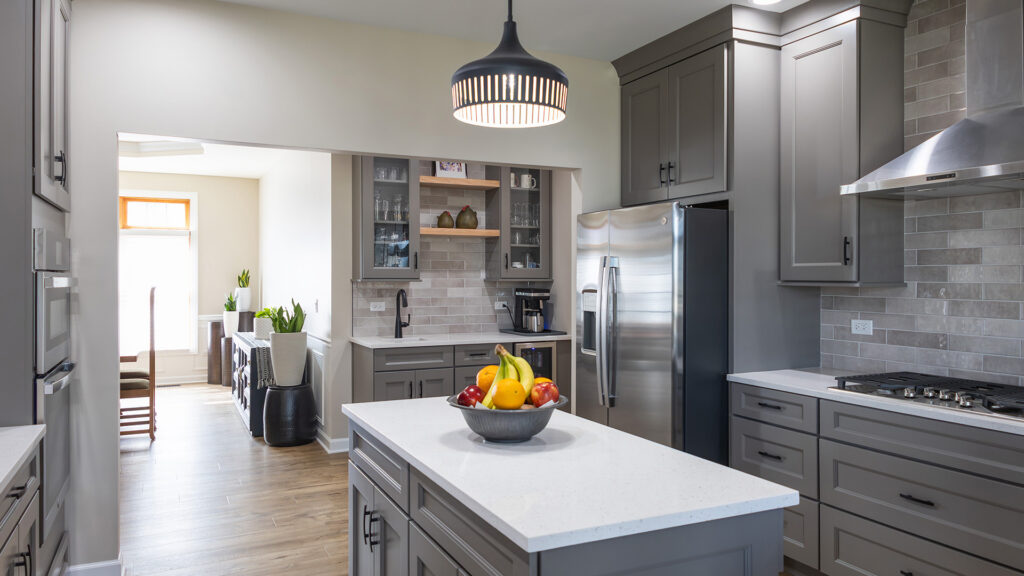
On the surface, waiting to remodel may seem like the most responsible, safe, or strategic choice. But many homeowners don’t realize the real cost of delaying their remodel. Before you move that renovation to the bottom of your to-do list, consider the following implications to help you make the best decision for your family.
Increasing Project Costs
One of the most common misconceptions is that waiting to remodel will help you save money. In reality, the opposite is often true. Delaying a project doesn’t protect your budget. In fact, you’ll likely pay more for the same remodel later.
Labor, materials, and permitting costs rise year over year. While the market has since stabilized following the accelerated, widespread increases during the pandemic, remodel expenses continue to rise by about 3–4% annually.
Pricing for labor and materials can shift quickly due to tariffs, rising material costs, ongoing supply chain challenges, and transportation and energy expenses.
The long-term trend is clear: in many U.S. markets, remodeling and repair costs have increased by nearly 67% since 2015, with little indication that prices will decline.
The skilled labor shortage has also become a major factor impacting remodeling costs, due to decades of declining interest in trade careers and an aging workforce.
Worsening Small Repairs
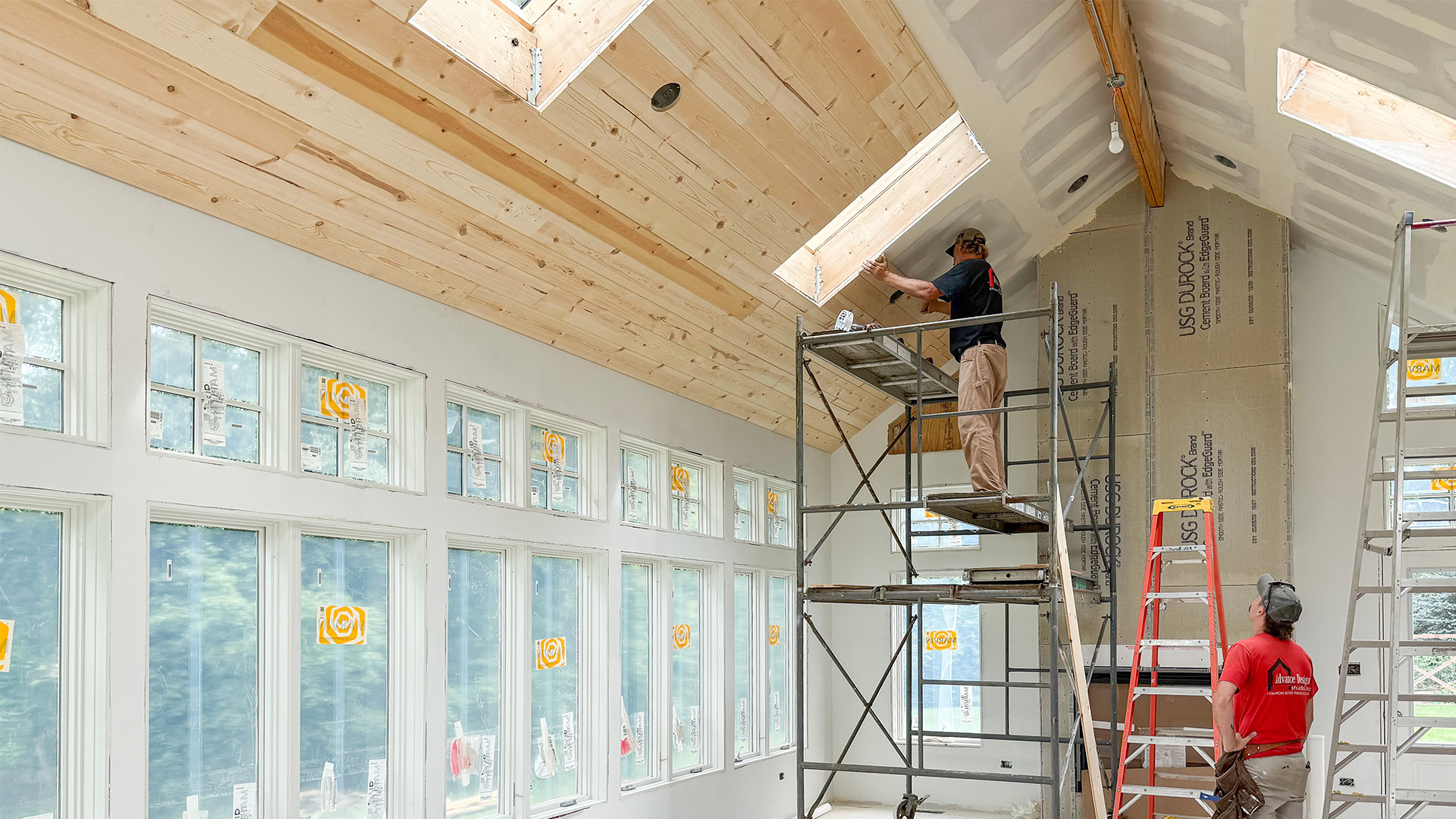
Delaying a remodel because the issues aren’t “bad” enough yet is a surefire way to make the scope of work more involved and expensive. Small issues, when left to worsen over time, will likely increase the scope of your renovation. When it’s finally time to begin your remodeling project after delaying, be prepared to face additional repairs and a broader scope of work.
Lifestyle Costs
You shouldn’t live with spaces that you avoid, and these small frustrations will add up over time. The #1 phrase we hear from homeowners after completing their remodel?
“We wish we had done this renovation sooner.”
Remodeling isn’t just about upgrading your home for future ROI and resale; it’s about improving the rhythm of your daily life now and enjoying it for years to come.
Making cosmetic updates, such as painting cabinets or changing faucets, can help temporarily, but underlying design or construction issues remain.
Timeline Delays
Many homeowners assume they can start their remodel later with the same timeline. Successful remodels involve many moving pieces, including design/planning, budget development, permitting, scheduling, material lead times, trade availability, and even weather.
As demand for home remodeling continues to grow, timelines can extend. This means waiting may delay both your start date and timeline.
So, When is the Right Time?
There may never be a perfect time to begin a remodel, but there is a smarter approach that our design-build experts recommend.
We often see homeowners look back and realize they missed years of enjoying a home that could have better supported their daily life. Growing families need more space, entertaining calls for better layouts and storage, and long-term accessibility is important to plan for, not react to later.
Starting the remodeling process now allows you to:
- Understand what’s possible for your home remodel
- Align your remodeling goals with a realistic budget
- Make informed decisions without pressure
- Avoid costly surprises during construction
The best time to remodel is when you recognize your home is not supporting how you want to live. That’s your signal to start planning, take action, and create spaces that truly feel like home for your family.
Schedule a time to meet with the design-build experts at Advance Design Studio now at 847-836-2600 or visit advancedesignstudio.com for more resources. For more local remodeling inspiration, follow ADS on Facebook and Instagram (@advancedesignstudio).
Any content, resident submissions, guest columns, advertisements, and advertorials are not necessarily endorsed by or represent the views of Best Version Media LLC (BVM) or any municipality, homeowners associations, businesses, or organizations that this publication serves. BVM is not responsible for the reliability, suitability, or timeliness of any content submitted, inclusive of materials generated or composed through artificial intelligence (AI). All content submitted is done so at the sole discretion of the submitting party.