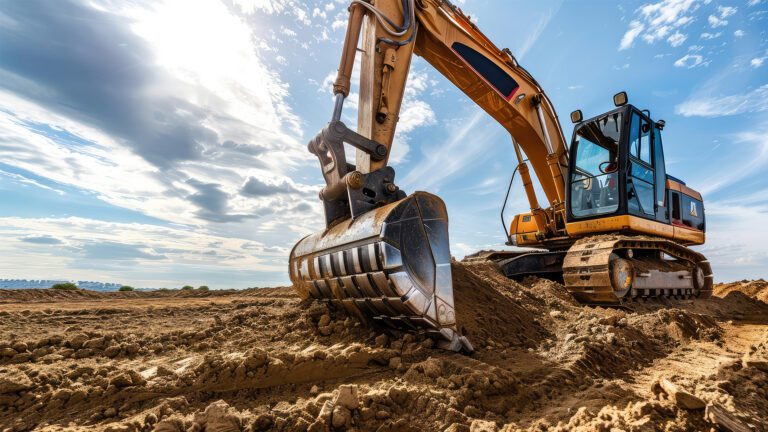
Walk onto a major construction site and you’ll see millions of dollars in equipment—excavators, dozers, loaders, trucks, graders, and technology designed to make the work faster and more efficient. But after a lifetime in construction, I’ve learned that the most important tool on any job site isn’t something you can buy.
It’s people.
My path into this industry wasn’t traditional. I had little formal education, but I was fortunate to receive an education of a different kind—one built through hard work, hands-on experience, and learning from the people around me. Growing up with ten siblings taught me responsibility and perseverance early in life. From working cattle and riding horses to building businesses and taking on increasingly complex construction projects, each experience added another lesson that has shaped the way I approach my work today. Construction has been a lifelong education.
Over the years, I’ve learned that successful construction takes much more than knowing how to operate a machine. You have to understand the ground, the equipment, the plans, the schedule, and the people putting everything together. You also have to understand that no two projects are exactly alike. Soil conditions can change. Weather can shut down production. Equipment can break. Materials can be delayed. A small problem in the morning can become a major expense by the afternoon if it isn’t recognized and communicated.
That’s why one of the most valuable skills I’ve developed is knowing when to rely on someone else’s expertise. I’ve worked alongside engineers, project managers, operators, mechanics, and other professionals throughout my career. Everyone brings a different kind of knowledge to a project, and the best results come when those people communicate, respect one another’s experience, and work toward the same goal.
A good operator may notice something in the ground that isn’t obvious from a set of plans. An experienced project manager may see a scheduling issue before it affects the entire job. An engineer may have a solution that someone in the field hadn’t considered. The key is making sure those observations are heard.
I’ve made plenty of mistakes throughout my career. I’ve had projects that didn’t go according to plan and situations where I had to learn the hard way. But those experiences became some of my most valuable lessons.
That’s how expertise is built.
You learn by doing. You learn by listening. You learn by making a mistake, taking responsibility for it, and making sure you don’t repeat it. Most importantly, you learn that there is always something you can learn from the person standing beside you.
I may not have followed the traditional path through education, but I’ve spent decades learning in the field. Every project, every challenge, and every person I’ve worked with has added something to that education.
After all these years, I believe the strongest construction companies aren’t defined by the equipment sitting in their yard. They’re defined by the people operating it, managing the work, solving problems, and taking pride in the finished product.
Equipment will change. Technology will improve. Construction methods will continue to evolve. But experience, hard work, communication, and good people will always be the foundation of a successful project.
And that’s a lesson I’m still learning today.
Any content, resident submissions, guest columns, advertisements, and advertorials are not necessarily endorsed by or represent the views of Best Version Media LLC (BVM) or any municipality, homeowners associations, businesses, or organizations that this publication serves. BVM is not responsible for the reliability, suitability, or timeliness of any content submitted, inclusive of materials generated or composed through artificial intelligence (AI). All content submitted is done so at the sole discretion of the submitting party.