
We think nothing of exercising our bodies to stay strong, resilient and healthy as we age. We lift weights for our muscles, walk for our cardiovascular health, prioritize protein for longevity and invest in treatments that help us look and feel our best.
But what about the organ responsible for how we think, feel, focus, sleep, make decisions and experience our lives?
What if we could take our brain to the gym, too?
That is one of the reasons I became so interested in Exomind.
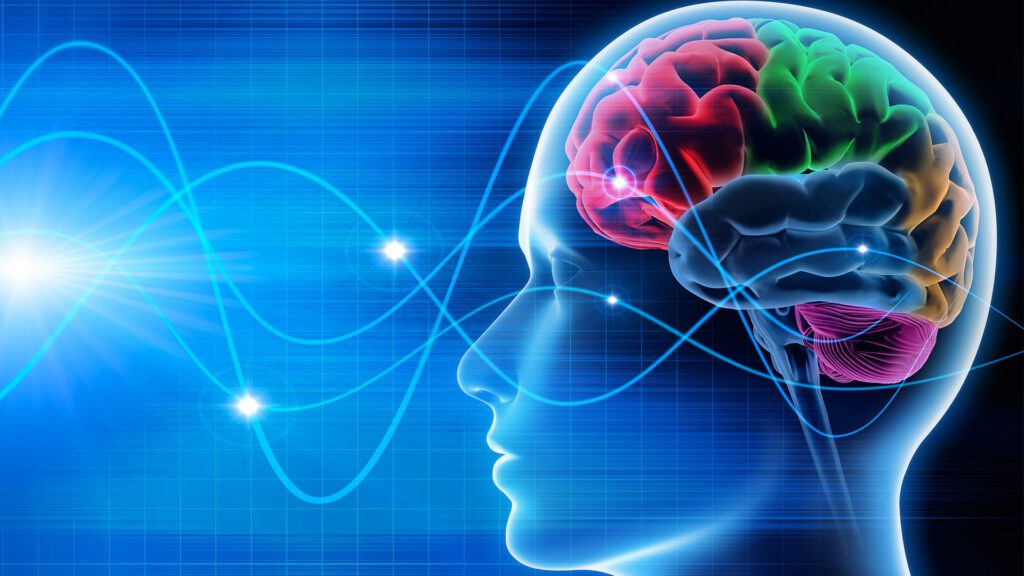
Exomind is a non-invasive technology that uses repetitive transcranial magnetic stimulation (rTMS) to stimulate specific areas and networks within the brain. During treatment, magnetic pulses are delivered through a device positioned over the head. There are no needles, no sedation and no medication required for the treatment itself. A session takes less than 30 minutes, and patients can return to their day afterwards.
Think of it as exercise for neural pathways rather than muscles.
In Canada, Exomind is Health Canada licensed for several important clinical applications, including major depressive disorder in adults who have not achieved satisfactory improvement from antidepressant medication, reduction of anxiety symptoms associated with depression, adjunctive treatment of obsessive-compulsive disorder (OCD), and binge eating disorder.
Those indications alone make this technology exciting.
But what initially fascinated me was the bigger conversation happening around brain health.
We have become increasingly proactive about nearly every other aspect of aging and wellness. We monitor our glucose, hormones, sleep, cardiovascular fitness, muscle mass and metabolic health. Yet many people simply accept changes in their mental wellbeing — feeling less motivated, mentally exhausted, distracted or simply not quite as sharp or resilient as they once were — as an inevitable consequence of busy lives.
Perhaps we need to start thinking about our brains differently.
Researchers are increasingly interested in neuroplasticity — the brain’s ability to adapt and reorganize — and how targeted brain stimulation may influence neural networks. Exomind and rTMS are also being studied in areas beyond current Canadian clinical indications, opening interesting conversations about the future of brain health, wellbeing and performance.
This doesn’t mean everyone needs treatment, nor does it mean Exomind is a cure-all. Appropriate medical screening is important, and not everyone is a candidate.
But I love the idea that caring for our brains can become part of the same proactive health conversation as exercise, nutrition and longevity.
BTL, the company behind Exomind, describes the concept as a “gym for your brain,” and I think the analogy makes intuitive sense. Some people come to us because they are struggling and looking for another therapeutic option. Others are simply interested in learning more about their brain and the rapidly evolving field of neurostimulation.
For me, this technology represents something bigger: a shift from waiting until we are unwell to thinking proactively about how we want our brains — and ourselves — to function for decades to come.
After all, longevity isn’t simply about living longer.
It’s about remaining healthy enough — physically and mentally — to enjoy the life we’ve built.
Any content, resident submissions, guest columns, advertisements, and advertorials are not necessarily endorsed by or represent the views of Best Version Media LLC (BVM) or any municipality, homeowners associations, businesses, or organizations that this publication serves. BVM is not responsible for the reliability, suitability, or timeliness of any content submitted, inclusive of materials generated or composed through artificial intelligence (AI). All content submitted is done so at the sole discretion of the submitting party.